

The evolution of plant-based gastronomy
Redefining modern cuisine
Professional chefs transform organic roots into gastronomic masterpieces, challenging perceptions of vegan fine dining. Innovation expands flavor profiles, creates surprising textures, and delivers creative meals independent of animal products.

Organic fermented protein sources
Traditional fermentation yields nutrient-rich tempeh offering savory depth and gut health benefits.
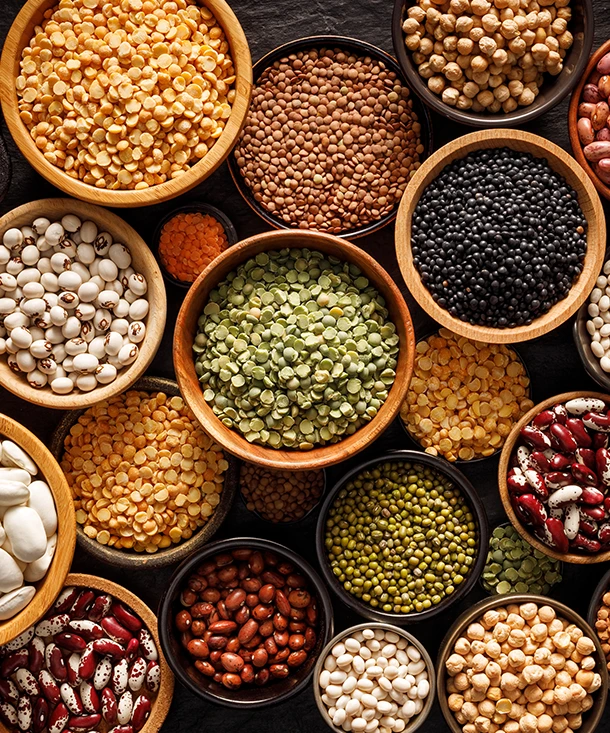
Versatile dried legume bases
Red lentils and chickpeas serve as pantry staples, providing essential dietary fiber while stabilizing blood glucose.

Dairy-free nut milk innovations
Raw cashews blend into plant-based creams or almond beverages, delivering rich textures without saturated animal fats.
Nutritional balance pillars
Optimal wellness requires understanding macro-nutrient distribution. Replacing animal proteins with complete vegetal sources ensures essential amino acids intake while reducing chronic inflammatory markers associated with heavy meat consumption.
Dark leafy greens act as powerful antioxidant sources. These phytonutrients fight oxidative stress, supporting cellular repair and long-term immune resilience.
Gut health thrives on soluble fiber in whole grains. This promotes a diverse microbiome, regulating cholesterol levels and ensuring sustained energy release without glycemic crashes.
Strategic meal planning prevents deficiencies, proving a balanced vegan diet supports athletic performance and mental clarity exceeding omnivorous alternatives.

Raw green detox elixirs
Organic spinach blends oxygenate blood and energize metabolism.

Antioxidant superfood blends
Wild blueberries with chia seeds fight free radicals.

Vegan protein recovery shakes
Pea isolate aids muscle repair after high-intensity workouts.

Anti-inflammatory golden lattes
Curcumin spices reduce joint pain and promote restful sleep.
Conscious choices for planetary health

Sustainable eco-friendly travel destinations
Explorers seek green eco-lodges prioritizing sustainability and farm-to-table menus. From Costa Rican retreats to Balinese sanctuaries, travelers immerse in nature with a minimal ecological footprint, supporting local conservation.
Gastronomy without borders
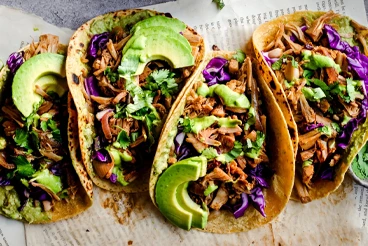
Casual vegan street food & plant-based bites
Food trucks offer pulled jackfruit tacos.

Haute plant-based innovation
Chefs create tasting menus using marine algae.

Traditional recipes reimagined
Vegetable lasagna uses almond ricotta.

Mastering culinary techniques in the kitchen
Creating flavor depth involves mastering umami through nutritional yeast. Slow-roasting vegetables concentrates natural sugars, transforming simple ingredients into complex side dishes that satisfy skeptical guests.
Vegan baking encourages innovation using ground flaxseeds or aquafaba. These egg substitutes maintain moisture in cakes and cookies, proving sweet indulgence requires no animal derivatives.