Drinks & Smoothies
The world of drinks and smoothies has evolved far beyond simple hydration or morning caffeine fixes. These beverages have become powerful tools for nutrition, wellness, and lifestyle optimization. Whether you’re seeking sustained energy from a carefully crafted coffee blend, post-workout recovery from a protein-rich smoothie, or simply a delicious way to increase your nutrient intake, understanding the fundamentals can transform your relationship with what you drink.
This comprehensive resource explores the essential aspects of beverages and smoothies, from selecting quality ingredients and mastering blending techniques to optimizing nutritional timing and understanding bioavailability. You’ll discover how to navigate coffee culture and dairy alternatives, maximize the health benefits of your drinks, avoid unwanted additives, and establish sustainable routines that support your wellness goals. Let’s dive into the knowledge that will help you make informed choices and create beverages that truly nourish your body.
Coffee Culture and Plant-Based Alternatives
The coffee landscape has undergone a remarkable transformation, with dairy alternatives becoming as sophisticated as the espresso itself. Understanding this evolution helps you make choices that align with both your taste preferences and dietary needs.
Exploring Modern Coffee Culture
Today’s coffee culture extends beyond the traditional cappuccino. Baristas and home brewers alike experiment with diverse milk alternatives, each bringing unique characteristics to the cup. Oat milk creates a creamy microfoam ideal for latte art, while almond milk offers a lighter, subtly nutty profile. Soy milk provides protein comparable to dairy, and coconut milk adds tropical richness to cold brews.
The key to selecting your alternative lies in understanding how each behaves under heat and when mixed with acidic coffee. Some alternatives separate or curdle, while others create the velvety texture you’re seeking. Consider what matters most: protein content, environmental footprint, taste neutrality, or foaming capability.
Creating Barista-Quality Blends at Home
Achieving café-quality results at home requires attention to three critical factors: temperature control, milk texture, and ratio precision. Heat your plant-based milk to approximately 140-150°F to avoid scalding while maximizing sweetness. Use a frother or whisk vigorously to incorporate air, creating that coveted microfoam.
Experiment with different ratios until you find your perfect balance. A traditional latte uses roughly one part espresso to three parts steamed milk, but with alternative milks, you might adjust this based on flavor intensity and nutritional goals.
Smoothie Fundamentals: Building Blocks for Success
Creating exceptional smoothies requires more than tossing ingredients into a blender. Understanding the role of each component and how they interact determines whether you achieve a nutritious, delicious beverage or a disappointing, separated mess.
Selecting Your Base Wisely
Your liquid base sets the foundation for everything that follows. Water keeps calories minimal while letting other flavors shine. Coconut water adds electrolytes perfect for post-exercise recovery. Plant-based milks contribute creaminess and additional nutrients, while green tea provides antioxidants and a subtle caffeine boost.
The amount of base liquid directly impacts your smoothie’s consistency. Start with less than you think you need—you can always add more, but you can’t remove excess liquid. A good starting point is one cup of liquid per two cups of solid ingredients.
Blending Techniques That Matter
Proper blending technique prevents common problems like chunks, separation, and oxidation. Always add liquid first, followed by soft ingredients, then frozen items, and finally ice if needed. This order ensures your blender blades stay protected while creating an efficient vortex.
Start at low speed to break down larger pieces, then gradually increase to high speed. Blend for 30-45 seconds maximum to minimize oxidation and heat buildup, which can degrade nutrients and create bitter flavors. If your smoothie seems too thick, add liquid in small increments rather than over-blending.
Fixing Texture Problems
Texture issues plague many smoothie enthusiasts, but they’re easily correctable. A gritty texture often comes from insufficient blending of fibrous ingredients like kale or chia seeds—blend these with your liquid first before adding other components. Separation occurs when you have too much liquid or insufficient emulsifying ingredients like banana, avocado, or nut butter.
If your smoothie turns out too thin, add frozen fruit, ice, or a handful of oats. Too thick? Add liquid gradually, blending between additions. Remember that smoothies naturally thicken as they sit due to chia seeds or oats absorbing liquid, so slightly thinner consistency initially often works best.
Nutritional Timing and Metabolic Optimization
When you consume your beverages can be as important as what’s in them. Strategic timing maximizes nutrient absorption, supports recovery, and aligns with your body’s natural rhythms.
Understanding the Post-Workout Window
The concept of the anabolic window—that critical period after exercise when your muscles are primed for nutrients—has been somewhat misunderstood. While you don’t need to rush to consume protein within minutes, having a balanced smoothie within 2-3 hours post-workout does support optimal recovery.
Your post-workout smoothie should contain both protein (20-30 grams for most people) and carbohydrates to replenish glycogen stores and initiate muscle repair. The exact ratio depends on your exercise type: endurance activities require more carbohydrates, while strength training prioritizes protein.
Boosting Absorption and Bioavailability
Nutrient bioavailability—how much your body actually absorbs and uses—varies dramatically based on how you combine ingredients. Fat-soluble vitamins (A, D, E, K) require dietary fat for absorption, so add avocado, nuts, or seeds to smoothies containing leafy greens or carrots.
Some combinations enhance absorption synergistically. Vitamin C increases iron absorption from plant sources, making citrus fruits excellent additions to spinach smoothies. Conversely, certain compounds like oxalates in spinach can bind to calcium, reducing absorption—balance this by rotating your greens and not relying solely on high-oxalate options.
Strategic Timing for Different Goals
Morning smoothies jumpstart metabolism and provide sustained energy when they include protein, healthy fats, and complex carbohydrates. This combination prevents blood sugar spikes and crashes that leave you hungry mid-morning.
Evening beverages serve different purposes. A nighttime smoothie might focus on anti-inflammatory ingredients like tart cherry juice (which contains natural melatonin) combined with warming spices such as ginger or turmeric. These can support better sleep quality and overnight muscle recovery while managing exercise-related discomfort.
Health Benefits: From Skin to Muscle Recovery
Strategic beverage choices deliver targeted health benefits that extend far beyond basic nutrition. Understanding these connections helps you customize drinks for specific wellness goals.
Optimizing Skin Health Through Hydration
Your skin’s appearance directly reflects your hydration status and nutrient intake. Smoothies rich in vitamin C support collagen production, the protein that maintains skin elasticity. Berries, citrus fruits, and kiwi are exceptional sources. Meanwhile, vitamin E from almonds or sunflower seeds protects against oxidative damage.
Hydration smoothies should include water-rich fruits like cucumber, watermelon, or oranges. Adding hyaluronic acid-rich ingredients such as bone broth alternatives or specific supplements can support skin moisture retention, though whole-food approaches using omega-3 sources like chia or flax seeds offer broader benefits.
Rebuilding Muscle Tissue Without Animal Products
Plant-based protein can effectively support muscle growth and recovery when you understand complementary proteins and total intake. Unlike animal proteins, most plant sources don’t contain all nine essential amino acids in optimal ratios, but combining different sources throughout the day provides complete nutrition.
Excellent smoothie protein sources include pea protein powder, hemp seeds (which contain all essential amino acids), chia seeds, and nut butters. A smoothie combining pea protein with almond butter and hemp hearts delivers a complete amino acid profile. Aim for 15-25 grams of protein per smoothie when using it as a meal replacement or recovery drink.
Purifying Your System Safely
The concept of “detoxing” is often misunderstood—your liver and kidneys constantly filter your blood without special juices. However, supporting these organs with nutrient-dense beverages can optimize their function. Focus on ingredients that provide antioxidants, fiber, and hydration rather than extreme cleanses that restrict calories or nutrients.
Raw ingredients like leafy greens, beets, and citrus fruits support natural detoxification pathways. Beets contain betaine, which supports liver function, while cruciferous vegetables like kale provide compounds that enhance the body’s production of detoxifying enzymes. Combining these with adequate fiber from whole fruits ensures your digestive system efficiently eliminates waste.
Quality Control: Ingredients, Freshness, and Safety
The healthiest smoothie recipe becomes problematic when made with oxidized ingredients or contaminated with unwanted additives. Quality control practices protect both your health and your investment.
Spotting Unwanted Ingredients in Commercial Products
Commercial smoothies, protein powders, and pre-made beverages often contain surprising additives. Added sugars appear under various names: cane syrup, fruit juice concentrate, agave nectar, or maltodextrin. A single bottled smoothie might contain 40-60 grams of sugar—more than a can of soda.
Read ingredient lists carefully, looking for artificial sweeteners (sucralose, aspartame), thickeners (carrageenan, which some people find digestively irritating), and preservatives. Natural alternatives exist for all these functions, so their presence often indicates a product prioritizing shelf life over nutritional value.
Preventing Oxidation and Maximizing Freshness
Oxidation begins the moment you cut fruits and vegetables, degrading vitamin C and other antioxidants. Minimize this by preparing ingredients immediately before blending. If you must prep in advance, store cut produce in airtight containers with minimal air exposure, and consider adding a squeeze of lemon juice—the acidity slows browning.
Finished smoothies deteriorate rapidly. Consume within 15-20 minutes for maximum nutrient retention, or store in a filled-to-the-top container in the refrigerator for up to 24 hours. Freezing works for longer storage, though texture changes upon thawing. Some people freeze smoothies in ice cube trays for quick partial servings.
Managing Oxalate Load for Kidney Health
Oxalates are naturally occurring compounds in many healthy foods, including spinach, Swiss chard, and almonds. While harmless for most people, those prone to kidney stones should manage their intake. High oxalate consumption can contribute to calcium oxalate stone formation in susceptible individuals.
If you’re concerned about oxalates, rotate your greens rather than using spinach daily. Lower-oxalate alternatives include romaine, arugula, and bok choy. Pairing high-oxalate foods with calcium-rich ingredients helps bind oxalates in the digestive tract, reducing absorption. Staying well-hydrated also helps prevent concentration of these compounds in urine.
Practical Considerations: Cost, Temperature, and Routine
Sustainability—both financial and habitual—determines whether healthy beverage practices become lifelong habits or temporary experiments. Addressing practical concerns ensures long-term success.
Analyzing Cost Efficiency
Smoothies can strain budgets or save money compared to coffee shop purchases, depending on your approach. A homemade smoothie typically costs $2-4, while café versions often exceed $8-10. The key to cost efficiency lies in buying frozen organic fruits (usually cheaper than fresh and equally nutritious), purchasing protein powder in bulk, and using seasonal produce.
Avoid waste by freezing ripe bananas before they spoil, buying exactly what you’ll use within the week, and repurposing smoothie ingredients in other meals. Bulk buying chia seeds, flax, and protein powder reduces per-serving costs significantly. Calculate your cost per smoothie and compare it to your previous spending on beverages or breakfast—most people save considerably.
Fresh vs. Frozen: Comparing Temperature States
The fresh-versus-frozen debate has a clear, evidence-based answer: frozen fruits and vegetables are nutritionally comparable to fresh, and sometimes superior. Produce destined for freezing is typically harvested at peak ripeness and frozen within hours, locking in nutrients. “Fresh” produce often spends days in transit and storage, during which nutrient degradation occurs.
Frozen ingredients offer practical advantages: consistent availability year-round, pre-washed and pre-cut convenience, longer storage life, and no added ice needed for cold smoothies. The main disadvantage is texture for some applications, though this matters little in blended drinks. Keep a variety of frozen fruits on hand for effortless smoothie creation.
Establishing a Sustainable Routine
Consistency requires minimizing friction between intention and action. Successful smoothie routines involve habit stacking—attaching your new beverage practice to an existing habit—and preparation systems that eliminate morning decision fatigue.
Set up a smoothie station in your kitchen with blender, ingredients, and measuring tools in one location. Prep smoothie packs by portioning ingredients into freezer bags labeled with contents and liquid needed. Each morning, simply dump the pack into your blender with liquid and blend. This five-minute preparation investment yields weeks of grab-and-go convenience.
Track how you feel after different smoothie combinations to refine your recipes. Notice energy levels, satiety duration, and digestive comfort. This awareness helps you identify which ingredients and ratios work best for your unique physiology, transforming generic recipes into personalized nutrition.
Environmental and Ethical Considerations
Your beverage choices ripple outward, affecting ecosystems, communities, and climate. Understanding these impacts empowers values-aligned decisions without sacrificing nutrition or enjoyment.
The environmental footprint of different milk alternatives varies dramatically. Almond production requires substantial water, particularly concerning in drought-prone regions, while oat milk uses significantly less water and generates fewer greenhouse gases. Soy cultivation raises deforestation concerns when not sourced responsibly, though certified organic and regional options mitigate this. Researching brands’ sustainability practices and choosing products with transparent sourcing creates positive impact.
Reducing single-use plastics makes a measurable difference. Choose bulk ingredients over individually packaged options, use reusable bottles instead of disposable cups, and select brands using recycled or recyclable packaging. If you buy bottled smoothies occasionally, support companies demonstrating genuine environmental commitment through renewable energy use, waste reduction programs, and sustainable ingredient sourcing.
The journey into drinks and smoothies offers endless opportunities for learning, experimentation, and health optimization. Start with the fundamentals—quality ingredients, proper techniques, and consistent routines—then gradually explore advanced concepts like nutritional timing and bioavailability. Remember that the best beverage is one you’ll actually make and enjoy consistently, supporting your wellness goals while fitting seamlessly into your life. Your body deserves this nourishing attention, one delicious sip at a time.

Mastering Anti-Inflammatory Golden Lattes for Deep Sleep and Joint Relief
The true power of a golden latte for sleep and joint pain lies not in the recipe, but in the ritual and scientific synergy of its ingredients. Curcumin, turmeric’s active compound, requires black pepper and healthy fats (like those in…
Read more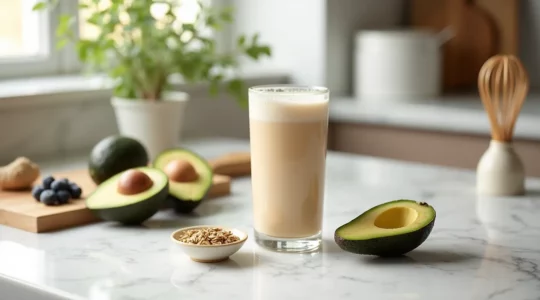
Formulating Vegan Protein Recovery Shakes Without the Chalky Texture
The chalky, gritty texture of vegan protein shakes is not an inevitable flaw but a solvable problem of formulation and chemistry. Digestive comfort begins with sprouted proteins, which reduce the “digestive load” by breaking down anti-nutrients like phytates and lectins….
Read more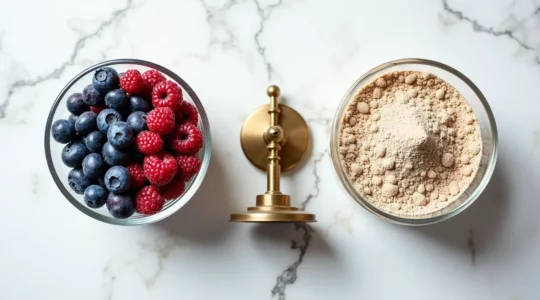
DIY vs. Store-Bought: Which Antioxidant Superfood Blends Actually Work?
The premium price of store-bought superfood powders doesn’t guarantee superior nutrient potency; it often buys you convenience at the cost of degraded, less effective ingredients. A strategic DIY blend can save over $40 monthly by focusing on high-yield, cost-effective ingredients…
Read more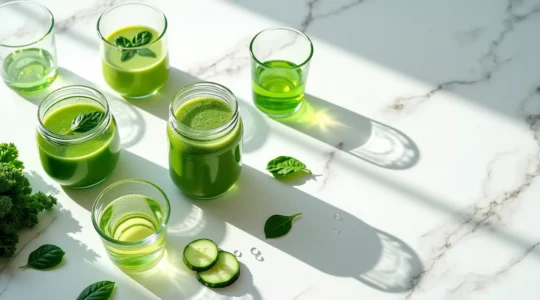
Are Raw Green Detox Elixirs Safe for Daily Consumption?
The daily consumption of raw green elixirs is only safe if you strategically manage their ‘anti-nutrient’ content; blindly blending is a significant health risk. High-oxalate greens like spinach can increase kidney stone risk, but this can be mitigated by pairing…
Read more
Which Dairy-Free Nut Milk Innovation Foams Best for Latte Art?
Contrary to the simple advice of “just use oat milk,” achieving dairy-like microfoam from plant-based alternatives is a matter of molecular engineering, not a search for a single magic bullet. The performance of a plant milk is dictated by its…
Read more