Health & Nutrition
The relationship between what you eat and how you feel extends far beyond simple calorie counting. Modern nutrition science reveals that food acts as information for your cells, influencing everything from cardiovascular function and immune response to cognitive performance and physical recovery. Yet with conflicting dietary advice flooding our feeds, many people struggle to translate nutritional research into practical, sustainable eating patterns that genuinely support their health goals.
This comprehensive resource connects the fundamental pillars of nutritional wellness, examining how strategic food choices influence heart health, protein metabolism, inflammatory pathways, energy stability, digestive function, and athletic performance. Whether you’re managing a specific health concern, optimizing for longevity, or simply seeking to understand how nutrition shapes your daily vitality, these evidence-based principles provide a foundation for making informed decisions about what lands on your plate.
Cardiovascular Health Through Strategic Nutrition
Your cardiovascular system responds dynamically to dietary patterns, with certain foods providing measurable protective benefits while others contribute to disease progression. Understanding these mechanisms empowers you to make heart-supportive choices without confusion or restriction.
The Fiber-Lipid Connection
Dietary fiber acts like a cleanup crew in your digestive tract, binding to cholesterol particles and escorting them out before they can be reabsorbed. Soluble fiber found in oats, beans, and apples forms a gel-like substance that particularly excels at this task, capable of reducing LDL cholesterol by 5-10% when consumed consistently at adequate levels. Think of it as a natural cholesterol-lowering agent hiding in everyday foods, working quietly with each meal to support healthier lipid profiles.
Not all fiber functions identically, however. Insoluble fiber from vegetables, whole grains, and seeds primarily supports digestive transit rather than lipid management. Differentiating between these types helps you target specific health outcomes while avoiding common low-fiber traps—refined grains, excessive protein isolates, and juice-heavy diets that strip away this crucial component.
Plant Sterols and Fat Quality
Plant sterols are molecular mimics of cholesterol that compete for absorption in your intestinal tract. By occupying the same transport mechanisms, they effectively crowd out actual cholesterol, reducing absorption by approximately 10-15%. Foods naturally rich in these compounds include nuts, seeds, legumes, and vegetable oils, though fortified options now make higher doses accessible.
Equally important is the quality of fats you consume regularly. Swapping saturated fats from butter and tropical oils for monounsaturated sources like olive oil and avocado, or omega-3-rich options such as flaxseed and walnuts, creates a measurable shift in cardiovascular risk markers. The distinction isn’t about eliminating fat—your body requires it—but rather choosing sources that support rather than compromise arterial health.
Protein Optimization Across the Lifespan
Protein requirements and utilization strategies shift dramatically across different life stages, yet persistent myths about sources, timing, and quantities continue to create unnecessary confusion. Clearing up these misconceptions allows for practical, effective protein strategies tailored to your current needs.
Building and Preserving Muscle Mass
Muscle tissue responds to both the amount and distribution of protein you consume daily. Research consistently demonstrates that spreading protein intake across multiple meals—aiming for 20-30 grams per eating occasion—triggers muscle protein synthesis more effectively than concentrating the same total amount into fewer servings. This approach proves particularly crucial for aging populations, where muscle preservation becomes a primary defense against frailty, falls, and metabolic decline.
Plant-based protein sources absolutely support muscle development when consumed thoughtfully. The key lies in achieving adequate total intake and including leucine-rich foods—this specific amino acid acts as a molecular trigger for muscle building. Soybeans, lentils, chickpeas, and quinoa provide substantial leucine alongside their protein content, while strategic supplementation with pea or rice protein can fill gaps when whole food sources fall short.
Timing and Technology for Accuracy
Nutrient timing matters most around physical activity, when your muscles become particularly receptive to protein delivery. Consuming protein within two hours post-exercise maximizes the repair and growth response, though the exact timing window matters less than consistent daily totals for most individuals. For athletes and those with ambitious performance goals, pre-training protein intake prevents excessive muscle breakdown during intense sessions.
Technology now offers precision previously reserved for professional athletes. Food tracking apps with comprehensive databases allow you to verify actual intake against targets, revealing discrepancies between perceived and actual consumption that often explain plateaus in strength or composition goals. This data-driven approach removes guesswork, though it requires honest logging and periodic protein source comparisons to optimize both quality and cost-effectiveness.
Controlling Inflammation Through Food Choices
Chronic low-grade inflammation underlies countless modern health conditions, from cardiovascular disease and diabetes to autoimmune disorders and accelerated aging. While inflammation serves essential protective functions in acute situations, persistent inflammatory signaling damages tissues and disrupts normal cellular function. Dietary interventions provide powerful anti-inflammatory effects without pharmaceutical side effects.
Anti-Inflammatory Dietary Patterns
Certain foods actively dampen inflammatory pathways in your body. Omega-3 fatty acids from fatty fish, walnuts, and flaxseeds convert into specialized molecules called resolvins that actively resolve inflammatory processes. Colorful fruits and vegetables deliver polyphenols and carotenoids that neutralize inflammatory triggers, while herbs and spices—particularly turmeric, ginger, and cinnamon—contribute concentrated anti-inflammatory compounds with documented effects on CRP (C-reactive protein) levels, a key inflammation biomarker.
Equally important is minimizing pro-inflammatory inputs. Excessive omega-6 fatty acids from processed seed oils, when consumed out of balance with omega-3s, shift your cellular environment toward inflammation. Refined carbohydrates and added sugars spike inflammatory markers through both blood sugar disruption and direct cellular effects. Identifying and reducing these contributors creates space for anti-inflammatory foods to exert their protective benefits.
The Elimination Protocol Approach
When inflammation persists despite dietary improvements, an elimination protocol can identify specific trigger foods unique to your physiology. This systematic approach involves removing common inflammatory culprits—typically gluten, dairy, eggs, soy, corn, and nightshades—for a defined period (usually 3-4 weeks), then methodically reintroducing them one at a time while monitoring symptoms and biomarkers. The process demands patience and meticulous tracking but often reveals unexpected sensitivities that standard testing misses.
Blood Sugar Stability for Energy and Mood
The roller coaster of blood sugar spikes and crashes affects far more than diabetes risk—it influences your energy levels, mental clarity, hunger signals, and emotional stability throughout each day. Understanding the mechanisms behind glycemic control allows you to engineer steady energy through strategic food combinations and timing.
The Insulin Response Explained
When you consume carbohydrates, your body breaks them down into glucose, triggering insulin release to shuttle that sugar into cells for energy or storage. Rapid glucose spikes from refined carbs and sugary foods demand aggressive insulin responses, often overshooting and causing subsequent energy crashes along with renewed hunger. This pattern, repeated multiple times daily, eventually contributes to insulin resistance—when cells become less responsive to insulin’s signals, requiring ever-higher levels to achieve the same effect.
Low glycemic index (GI) foods release glucose gradually, creating gentle, sustained energy without dramatic insulin surges. Berries, apples, and citrus fruits provide sweetness with fiber that slows absorption. Pairing any carbohydrate source with protein, fat, or fiber further moderates the glycemic response—think apple slices with almond butter rather than apple juice alone.
Meal Sequencing and Frequency
The order in which you eat food components during a meal measurably impacts blood sugar responses. Starting with vegetables and protein before carbohydrates can reduce post-meal glucose spikes by 20-30% compared to eating the same foods in reverse order. This simple sequencing strategy—sometimes called “food first, starch last”—requires no special foods or supplements, just a slight adjustment to your eating pattern.
Meal frequency remains hotly debated, with advocates for both regular small meals and extended fasting periods. The evidence suggests individual variation matters enormously here. Some people maintain excellent blood sugar stability with three substantial meals and no snacking, while others perform better with 4-5 smaller eating occasions. Avoiding caffeine pitfalls—like sweetened coffee drinks that combine stimulants with sugar—prevents artificial energy that masks underlying metabolic signals.
Gut Health as Your Nutritional Foundation
Your digestive system houses trillions of microorganisms that influence nutrient absorption, immune function, neurotransmitter production, and inflammatory status. This gut microbiome responds rapidly to dietary changes, offering a powerful leverage point for whole-body health optimization.
The Gut-Immunity Connection
Approximately 70% of your immune system resides in or around your digestive tract, where immune cells constantly sample gut contents to distinguish between beneficial microbes, pathogens, and food particles. A diverse, balanced microbiome educates your immune system toward appropriate responses, while dysbiosis—an imbalanced microbial community—contributes to inflammatory conditions, allergies, and autoimmune responses.
Feeding beneficial bacteria requires specific fuel they prefer: prebiotic fibers from foods like garlic, onions, asparagus, and slightly underripe bananas. These fibers pass through your upper digestive system intact, reaching the colon where bacteria ferment them into short-chain fatty acids that reduce inflammation, strengthen intestinal barriers, and even influence appetite regulation. Think of prebiotics as fertilizer for your internal garden.
Restoration After Disruption
Antibiotics, foodborne illness, chronic stress, and dietary extremes can temporarily devastate your gut microbiome. Restoration requires a strategic approach that combines several elements:
- Probiotic foods like yogurt, kefir, sauerkraut, and kimchi introduce live beneficial bacteria
- Diverse fiber sources provide varied fuel for different microbial species
- Polyphenol-rich foods such as berries, green tea, and dark chocolate support beneficial bacteria while inhibiting problematic strains
- Adequate hydration supports mucus production and transit time—dehydration creates a hostile environment for beneficial microbes
Probiotic supplements can accelerate restoration, though evaluating quality, strain specificity, and CFU counts (colony-forming units) requires research. Not all supplements deliver living organisms to your colon, and different strains serve different purposes. Timing restoration strategically—particularly after antibiotic courses—minimizes the duration of disrupted digestive and immune function.
Fueling Athletic Performance and Recovery
Whether you’re a competitive athlete or simply pursuing ambitious fitness goals, nutrition profoundly impacts your training capacity, recovery speed, and injury resilience. Plant-based approaches increasingly demonstrate advantages for endurance and recovery metrics when properly structured.
Recovery Nutrition and Timing
The post-exercise window represents peak opportunity for nutrient delivery that accelerates recovery. Your muscles become insulin-sensitive and primed to absorb glucose for glycogen replenishment, while protein synthesis rates spike in response to amino acid availability. Consuming 20-40 grams of protein with 30-60 grams of carbohydrates within 60-90 minutes post-training maximizes these adaptive responses, reducing soreness and preparing your body for the next session.
Plant-based athletes achieve comparable or superior recovery by emphasizing antioxidant-rich foods that combat exercise-induced oxidative stress. Tart cherry juice, berries, leafy greens, and beets provide compounds that measurably reduce inflammation markers and perceived muscle soreness. The key lies in meeting total caloric and macronutrient needs—preventing deficits that compromise both performance and recovery.
Hydration and Pre-Training Fuel
Optimizing hydration extends beyond drinking water—electrolyte balance significantly impacts performance, particularly during extended or intense exercise. Sodium, potassium, and magnesium losses through sweat require replacement, with needs varying based on sweat rate, exercise duration, and environmental conditions. Coconut water, electrolyte supplements, or strategic food choices (bananas for potassium, salted nuts for sodium) maintain this crucial balance.
Pre-game fueling requires individual experimentation to identify foods that provide energy without digestive distress. Generally, consuming easily digestible carbohydrates 2-3 hours before exercise—such as oatmeal with fruit, rice cakes with nut butter, or smoothies—ensures available fuel without the sluggishness of heavy meals. Some athletes tolerate small amounts closer to activity, while others require longer digestion windows. Testing timing and food combinations during training rather than competition prevents unpleasant surprises.
Nutrition science continues evolving, yet these core principles—cardiovascular support through fiber and healthy fats, strategic protein distribution, anti-inflammatory food choices, blood sugar stability, gut health prioritization, and performance-focused fueling—create a robust framework for health optimization. Rather than chasing trendy diets or restrictive protocols, understanding how food influences your body’s fundamental systems allows you to construct a personalized approach that supports your unique goals, preferences, and physiological needs. The most effective nutrition plan isn’t the most perfect one—it’s the one you’ll actually sustain while nourishing both body and enjoyment of eating.

Can a Vegan Diet Improve Athletic Performance in Endurance Sports?
A strategically implemented vegan diet is not just viable for endurance athletes; it is a competitive advantage rooted in precise physiological manipulation. Targeted plant-based compounds accelerate recovery by mitigating exercise-induced oxidative stress and inflammation. Precise nutrient timing, especially with fiber…
Read more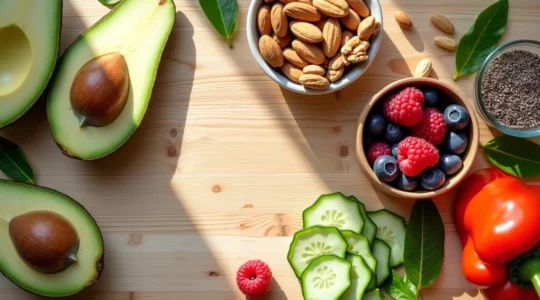
Preventing Glycemic Crashes: Snack Ideas and Strategies for 4+ Hours of Stable Energy
The afternoon energy crash isn’t a willpower problem; it’s a glucose management issue. Instead of focusing only on *what* you eat, the order of your food (veggies first) can dramatically flatten your glucose curve. Common habits, like drinking coffee on…
Read more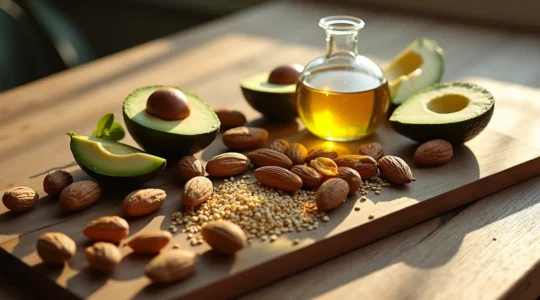
Lowering Cholesterol Levels Naturally: Which Plant Sterols Actually Work?
The effectiveness of plant sterols in lowering LDL cholesterol is significantly amplified when combined with soluble dietary fiber, offering a synergistic approach to lipid management. Plant sterols work by blocking cholesterol absorption in the gut, but their impact is dose-dependent…
Read more
How to Cultivate a Diverse Microbiome After a Course of Antibiotics?
The key to post-antibiotic recovery isn’t just taking probiotics; it’s a strategic, phased approach to rebuilding your entire gut ecosystem. Focus first on calming inflammation and preparing the “microbial terrain” with gentle, cooked foods. Sequentially introduce diverse prebiotics and fermented…
Read more
Soluble Fiber Strategies to Manage Blood Sugar Spikes After Meals
The post-meal energy crash isn’t inevitable; it’s a glycemic response you can manage with precision using soluble fiber. Soluble fiber creates a physical “gel matrix” in your gut, physically slowing sugar absorption from your entire meal. Effective use requires a…
Read more
Your Body Under Siege: How Pollutants Cause Oxidative Stress and the Foods That Fight Back
Your body is under constant attack from environmental pollutants, but a strategic, food-based approach can fortify its innate defenses and win the battle at a cellular level. Pollutant damage isn’t just superficial; it’s a deep cellular assault that accelerates aging…
Read more
Eating the Rainbow: A Guide to Phytonutrients and Their Specific Health Benefits
The real benefit of “eating the rainbow” isn’t just about color variety, but about understanding how to prepare and combine foods to maximize the bioavailability of their powerful phytonutrients. Your cooking method is critical; gentle techniques like steaming and microwaving…
Read more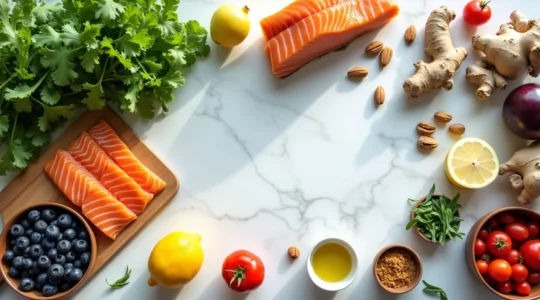
Can a Whole Food Diet Reduce Chronic Inflammatory Markers in 8 Weeks?
Yes, a strategic whole food diet can significantly reduce chronic inflammatory markers in as little as 8 weeks by focusing on biochemical synergy, not just simple food avoidance. Identify and remove personal inflammatory triggers like gluten and dairy using a…
Read more
A Geriatric Nutritionist’s Guide: Thriving on a Plant-Based Diet After 60 by Mastering Essential Amino Acids
Preventing age-related muscle loss on a plant-based diet is less about total protein and more about strategically triggering muscle synthesis with targeted leucine intake at every meal. Seniors experience “anabolic resistance,” requiring a higher dose of leucine (around 3g) per…
Read more
How to Calculate Your Vegan Macros for Serious Muscle Gain
In summary: Aim for a precise protein target of 1.6-2.2g per kilogram of body weight; anything more is often unnecessary and metabolically costly. Master calorie density to overcome the “volume trap”—the tendency for plant-based foods to be filling but low…
Read more