Ingredients & Products
The ingredients you choose form the foundation of every meal you create. Whether you’re preparing a simple weeknight dinner or experimenting with new cooking techniques, understanding how different ingredients behave, how processing affects their nutritional value, and which preparation methods unlock their full potential can transform your relationship with food. The gap between selecting ingredients by habit and choosing them with intention is where true culinary confidence begins.
This comprehensive exploration covers the essential categories every home cook should understand: from recognizing processing levels and mastering whole food preparation to harnessing the power of fermented foods, navigating plant-based proteins, and incorporating nutrient-dense sea vegetables. Each choice you make in the grocery aisle ripples through to the final dish on your plate, affecting not just flavor and texture, but also the health benefits your meals deliver.
Understanding Processing Levels and Whole Food Ingredients
The degree to which an ingredient has been processed directly impacts its nutritional density and how your body absorbs its nutrients. Think of processing like a spectrum: at one end sits a whole rolled oat, at the other, instant oatmeal packets loaded with sugar and flavorings. The rolled oat retains its fiber, minerals, and natural oils, while the instant version has been stripped, refined, and reconstituted.
Unrefined ingredients demand more from your kitchen skills but reward you with superior nutrition and authentic flavors. Whole grains contain the bran, germ, and endosperm—the complete nutritional package. When refined, they lose up to 75% of their vitamins and minerals, along with nearly all their fiber. The same principle applies across categories: whole spices ground fresh versus pre-ground powders, dried beans versus canned with additives, or whole vegetables versus pre-cut, packaged versions.
Preparing whole foods requires adapting your techniques. Whole grains need longer cooking times and more water than their refined counterparts. Brown rice might take forty minutes where white rice needs fifteen, but that extra time preserves the nutrient-rich layers. Soaking certain grains and seeds overnight can reduce cooking time while improving digestibility—a practice that bridges convenience with nutrition.
Selecting the Right Staple Ingredients for Your Pantry
Building a functional pantry starts with identifying which staples align with both your cooking style and nutritional goals. The foundation typically includes whole grains, legumes, quality oils, and versatile seasonings. Rather than stocking every possible ingredient, focus on multi-purpose items you’ll actually use consistently.
For grains, consider storage stability and preparation flexibility. Quinoa cooks quickly and provides complete protein, making it ideal for weeknight meals. Brown rice offers familiarity and affordability. Whole oats serve double duty in both breakfast and baking applications. Each brings distinct textural qualities—fluffy, chewy, or creamy—that suit different dishes.
Storage challenges often determine whether ingredients deliver value or become waste. Whole grains and nuts contain natural oils that can turn rancid when exposed to heat, light, or air. Storing them in airtight containers in cool, dark spaces extends their shelf life from weeks to months. The freezer becomes your ally for ingredients used less frequently, preserving both freshness and nutritional integrity without the pressure to use everything immediately.
Maximizing Nutrition Through Strategic Protein Choices
Protein quality extends beyond quantity—bioavailability determines how much your body actually absorbs and utilizes. Animal proteins generally offer higher bioavailability because their amino acid profiles closely match human needs, but plant proteins bring their own advantages when properly prepared and combined.
Fermentation, sprouting, and cooking all increase protein bioavailability in plant foods. Tempeh contains more accessible protein than plain soybeans because fermentation partially breaks down complex proteins into simpler forms. Similarly, sprouted lentils become easier to digest than dry lentils, and pressure-cooking beans transforms their tough proteins into tender, digestible nutrients.
Combining complementary plant proteins throughout your day ensures you receive all essential amino acids. This doesn’t require mathematical precision at every meal—eating rice at lunch and beans at dinner achieves the same result as combining them in a single dish. The key lies in variety: rotating between legumes, whole grains, nuts, seeds, and vegetables naturally provides the complete spectrum your body needs.
Harnessing Fermented Foods for Flavor and Gut Health
Fermentation transforms ordinary ingredients into nutrition powerhouses while adding complex, savory depth to dishes. The process relies on beneficial bacteria and yeasts that digest sugars and starches, creating new compounds—probiotics, B vitamins, and enzymes—that weren’t present in the raw ingredient.
Navigating Safe Fermentation Practices
Safe home fermentation follows simple principles that prevent harmful bacteria while encouraging beneficial ones. Salt concentration, acidity levels, and anaerobic conditions (excluding oxygen) create an environment where good microbes thrive and bad ones cannot survive. Sauerkraut succeeds because 2-3% salt content allows Lactobacillus bacteria to flourish while inhibiting spoilage organisms.
Visual and sensory cues signal successful fermentation versus contamination. Bubbling, tangy aromas, and gradual color changes indicate healthy fermentation. Fuzzy mold, pink or orange films, or putrid smells demand immediate disposal. Trust your senses—safe fermented foods smell pleasantly sour, never rotten.
Comparing Fermented Options and Managing Intolerances
Different fermentation methods produce vastly different results. Quick-fermented yogurt offers mild tang and live cultures, while aged miso develops intense umami over months or years. Kombucha provides effervescence and acidity, whereas kimchi delivers spicy, funky complexity. Each brings unique probiotic strains and flavor profiles to your cooking repertoire.
Individual tolerance to fermented foods varies significantly. Some people experience digestive discomfort from histamines produced during fermentation, while others react to specific ingredients like dairy in yogurt or gluten in fermented wheat products. Starting with small portions allows your gut microbiome to adapt gradually, and choosing ferments based on non-reactive base ingredients prevents unnecessary complications.
Mastering Legumes From Selection to Preparation
Legumes represent one of the most economical, shelf-stable, and nutritious ingredient categories available. Choosing between varieties depends on cooking time, texture preferences, and flavor compatibility. Red lentils disintegrate into creamy dahls, while chickpeas hold their shape in salads and stews. Black beans offer earthiness, white beans provide mild creaminess, and split peas cook down into smooth purées.
Preventing toxicity concerns requires understanding that certain raw or undercooked legumes contain natural compounds that cause digestive distress. Red kidney beans contain particularly high levels of lectins that must be destroyed through proper cooking. Soaking beans for 8-12 hours, discarding the soaking water, and then boiling vigorously for at least ten minutes neutralizes these compounds effectively.
Pressure cooking revolutionizes legume preparation by reducing cook times from hours to minutes while thoroughly eliminating anti-nutritional factors. Chickpeas that traditionally require two hours of simmering become tender in thirty minutes under pressure. Timing varies by legume type: lentils need just eight to ten minutes, while larger beans require twenty-five to forty minutes. This efficiency makes incorporating legumes into regular meal rotation genuinely practical rather than aspirational.
Working With Leafy Greens and Cruciferous Vegetables
Integrating greens into every meal shifts from challenge to habit once you understand their versatility. Raw spinach wilts into pasta at the last moment, kale stems can be sautéed before adding the leaves, and hardy collards stand up to long braises. Nutritional profiles vary dramatically: kale delivers exceptional vitamin K and calcium, while spinach provides iron and folate. Rotating varieties ensures comprehensive nutrient intake rather than over-relying on a single green.
Improving the texture of raw greens often involves massage or marination. Rubbing sturdy greens like kale with salt and acid physically breaks down tough cell walls, transforming them from leathery to tender in just a few minutes. This technique makes raw kale salads approachable without cooking, preserving heat-sensitive nutrients while improving palatability.
Managing anti-nutrients like oxalates and goitrogens requires perspective rather than avoidance. Cooking reduces these compounds significantly—steaming spinach cuts oxalate content by up to half. The persistent myth that cruciferous vegetables harm thyroid function has been thoroughly debunked for people with adequate iodine intake. You would need to consume enormous, unrealistic quantities of raw cruciferous vegetables to experience negative effects. For most people, the cancer-protective compounds in these vegetables far outweigh theoretical concerns.
Exploring Sea Vegetables for Umami and Minerals
Ocean vegetables provide concentrated minerals—particularly iodine, calcium, and iron—alongside glutamates that boost savory depth in plant-based cooking. The varieties range from delicate to robust: nori offers mild ocean flavor perfect for wrapping or crumbling, wakame adds silky texture to soups, and kombu infuses broths with profound umami during slow simmering.
Assessing toxicity risks centers primarily on heavy metal accumulation, as sea vegetables filter ocean water and can concentrate contaminants. Choosing products from clean water sources and reputable suppliers who test for arsenic, cadmium, and lead minimizes exposure. Moderate consumption—using sea vegetables as flavor enhancers rather than main ingredients—provides benefits while avoiding excessive intake of any single element.
Rehydration timing and technique dramatically affect texture outcomes. Wakame needs just five minutes in cold water to soften, while thick kombu strips may require thirty minutes or benefit from being added directly to cooking liquid. Hijiki requires longer soaking and thorough rinsing to reduce naturally occurring inorganic arsenic. Understanding these nuances prevents both underhydrated toughness and oversoaked mushiness.
Utilizing Functional Seeds for Binding and Nutrition
Seeds like chia, flax, and hemp punch far above their weight in both nutritional density and culinary functionality. Beyond providing omega-3 fatty acids, fiber, and plant protein, certain seeds create gels when hydrated—a property that makes them invaluable for binding, thickening, and replacing eggs in baking.
Detecting rancidity protects you from consuming oxidized fats that offer no nutritional benefit and may be harmful. Fresh seeds smell mildly nutty or neutral; rancid seeds develop sharp, paint-like, or bitter odors. Because seeds contain delicate polyunsaturated fats, storing them in the refrigerator or freezer dramatically extends their viable shelf life from weeks to many months.
The mechanics of seed binding rely on mucilage—a soluble fiber that absorbs many times its weight in water, forming a gel. One tablespoon of ground flaxseed mixed with three tablespoons of water creates a gel that mimics egg’s binding properties in muffins, pancakes, and quick breads. Chia seeds work similarly but create a more transparent gel, making them ideal for puddings and smoothie thickening. Timing hydration matters: allowing the mixture to sit for five to ten minutes before use ensures full gel development and optimal binding strength.
Smart Pantry Management for Economy and Nutrition
Economical pantry management balances cost savings with nutritional quality and practical usability. Buying certain ingredients in bulk—whole grains, dried legumes, nuts, and seeds—reduces per-serving costs dramatically, often by 50% or more compared to smaller packaged versions. However, bulk purchasing only generates savings if you actually consume the ingredients before they spoil.
Calculating true cost savings requires considering storage capacity, rotation practices, and realistic usage rates. A twenty-pound bag of rice costs less per pound but demands appropriate storage containers and commitment to consuming rice regularly. For ingredients you use occasionally, smaller quantities prevent waste despite higher unit prices. The sweet spot lies in purchasing moderate bulk amounts of staples you genuinely use weekly, creating efficiency without overwhelming your storage space or falling into waste.
Accelerating preparation through batch cooking and advance prep transforms time-intensive ingredients into convenient options. Cooking large batches of grains or beans once weekly and refrigerating or freezing portions makes healthy choices as quick as processed alternatives. Pre-washing and storing greens in breathable containers extends their freshness and eliminates a common barrier to using them. These small systems compound over time, making nutritious cooking sustainable rather than occasionally heroic.
The ingredients you choose and how you prepare them ultimately define your cooking practice. By understanding processing impacts, mastering preparation techniques for whole foods, and building efficient pantry systems, you create a foundation that supports both health and culinary creativity. Each ingredient category offers unique opportunities—from the probiotic richness of fermented foods to the mineral density of sea vegetables—that expand your cooking repertoire while nourishing your body with intention.

The Ultimate Guide to Using Ground Flaxseed: From Omega-3 Powerhouse to Perfect Vegan Binder
Contrary to popular belief, simply adding flaxseed to your diet isn’t enough; using it incorrectly can negate its benefits and ruin your recipes. The potent Omega-3s in flax are highly unstable and quickly turn rancid, requiring specific storage and sensory…
Read more
Nutritional Yeast 101: How to Master ‘Nooch’ for Ultimate Cheesy Flavor
Mastering nutritional yeast goes beyond sprinkling it on popcorn; it’s about understanding its properties to engineer perfectly cheesy, savory flavors and textures. The “cheesy” taste comes from naturally occurring glutamic acid, the compound responsible for the umami sensation. Achieving the…
Read more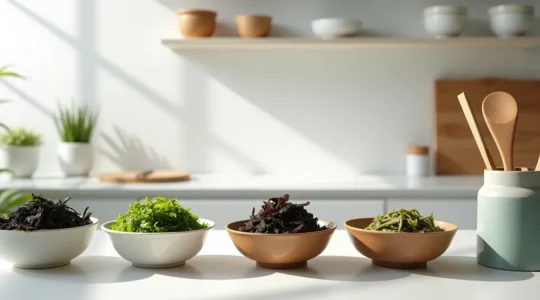
Marine Algae in the Kitchen: Beyond Sushi and Salads
Mastering seaweed isn’t about recipes; it’s about controlling its core properties to unlock incredible flavor and nutrition safely. Heavy metal risks are real but manageable by choosing the right species and using proper soaking techniques. Texture and flavor are not…
Read more
How to Incorporate More Dark Leafy Greens into Breakfast Without Ruining the Taste?
The secret to enjoying greens at breakfast isn’t hiding them, it’s transforming their flavor and texture with simple culinary techniques. Cooking methods (like boiling spinach) and strategic pairing (with calcium) can neutralize bitterness and anti-nutrients like oxalates. Techniques like massaging…
Read more
The Artisan’s Guide to Crafting Dairy-Free Cheeses and Creams from Raw Cashews
In summary: Achieving silky, non-gritty cashew cream is possible without a high-end blender by using specific soaking and blending techniques. Understanding the “why” behind each step—from nut grade to flavor balancing—is the key to unlocking true dairy-free versatility. You can…
Read more
The Frugal Prepper’s Guide to Dried Legumes: From Pantry to Plate
In summary: Switching from canned to dried beans is a strategic system that can cut your costs by over three times and significantly reduce sodium intake. Mastering quick-soak methods and Instant Pot cooking eliminates the biggest time barriers, making dried…
Read more
The Superiority of Organic Fermented Proteins for Sensitive Digestion
Fermented proteins are not just ‘easier to digest’; they are biochemically transformed to actively enhance nutrient absorption and heal the gut. Fermentation increases protein bioavailability, unlocking more nutrients from the same food. It creates entirely new, essential compounds like Vitamin…
Read more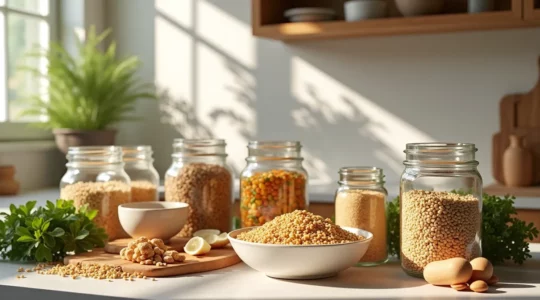
Cooking with Whole Food Ingredients: 5 Rules for Maximum Flavor Retention
In summary: Making whole foods taste great isn’t about complex recipes, but mastering core techniques that transform the ingredients themselves. Understanding the science of whole grains—from their impact on gut health to how they cook—is key to avoiding bland results….
Read more