Lifestyle & Ethics
The intersection of food, lifestyle, and ethics has never been more relevant. As we become increasingly aware of how our daily choices ripple outward—affecting our health, the environment, and the systems that shape our world—many of us are seeking a more intentional approach to living. This isn’t about perfection or rigid rules; it’s about understanding the connections between what we eat, what we buy, how we live, and the impact these decisions have on ourselves and the planet.
At its core, ethical living through food and lifestyle is a journey of education and gradual transformation. It encompasses everything from transitioning to plant-based eating and understanding environmental footprints, to navigating social situations and choosing cruelty-free products. This comprehensive resource will guide you through the fundamental pillars of conscious living, providing practical insights to help you make informed decisions that align with your values while maintaining balance, health, and joy in your everyday life.
Making the Plant-Based Transition Work for Your Family
Shifting toward a plant-based lifestyle often feels daunting, especially for families juggling budgets, picky eaters, and nutritional concerns. The reality is that successful transitions happen gradually, not overnight. Think of it like learning a new language—you start with basic vocabulary and slowly build fluency.
The most common barriers to dietary change aren’t actually nutritional—they’re psychological and logistical. Families worry about protein adequacy for growing children, the cost of specialty ingredients, and whether meals will satisfy skeptical family members who grew up with meat at the center of every plate. These concerns are valid, but they’re also navigable with the right approach.
The Practical Pantry Overhaul
Rather than emptying your entire kitchen in one dramatic sweep, consider a methodical pantry transition. Start by identifying staple ingredients that form the foundation of plant-based cooking: legumes, whole grains, nuts, seeds, and a diverse array of spices. These items are often more economical than animal products when purchased in bulk and have excellent shelf stability.
Replace items as they run out rather than discarding perfectly good food. When your jar of honey empties, try maple syrup or date syrup. When you finish that container of yogurt, experiment with coconut or oat-based alternatives. This gradual approach minimizes waste and spreads costs over time, making the transition financially sustainable.
Ensuring Nutritional Adequacy for Children
Parents rightfully prioritize their children’s nutrition. The key nutritional considerations for plant-based children include vitamin B12, iron, calcium, omega-3 fatty acids, and adequate protein. Fortunately, these needs are entirely achievable through thoughtful meal planning. Fortified plant milks provide calcium and B12, while legumes paired with whole grains offer complete proteins. Dark leafy greens, when paired with vitamin C-rich foods, improve iron absorption significantly.
Making meals satisfying for skeptics involves understanding that satisfaction comes from more than just nutrients—it’s about texture, flavor, and visual appeal. Incorporating umami-rich ingredients like mushrooms, nutritional yeast, miso, and tomato paste creates the depth and savoriness that many associate with traditional comfort foods.
Understanding Your Environmental Footprint Through Food Choices
Every food choice carries an invisible environmental weight—a combination of water usage, carbon emissions, land requirements, and ecosystem impacts. Understanding this footprint empowers you to make choices that align with environmental stewardship without requiring complete dietary overhaul.
The water footprint of food production reveals surprising truths. A single kilogram of beef requires approximately 15,000 liters of water when you account for the crops grown to feed cattle, the water the animals drink, and processing needs. Compare this to legumes at roughly 4,000 liters per kilogram or vegetables at 300 liters, and the disparity becomes clear. This “virtual water”—the hidden water embedded in production—represents one of agriculture’s most significant resource challenges.
Carbon Footprints and Climate Impact
Food production accounts for roughly one-quarter of global greenhouse gas emissions. However, not all emissions are equal. Methane from livestock is approximately 28 times more potent than carbon dioxide over a century, while nitrous oxide from fertilized fields is nearly 265 times more powerful. Understanding these differences helps explain why shifting toward plant-based eating represents one of the most impactful individual climate actions available.
A common myth suggests that transport dominates food’s carbon footprint—the concept of “food miles.” In reality, transportation typically accounts for less than 10% of food emissions. What you eat matters far more than where it traveled from. Locally produced beef still carries a substantially higher carbon footprint than imported lentils.
Making Sustainable Consumer Choices
Navigating agricultural certifications and eco-labels can feel overwhelming. Organic, Rainforest Alliance, Fair Trade, Regenerative Organic—each certification addresses different concerns. Organic certification primarily addresses pesticide use and soil health, while Fair Trade focuses on farmer compensation and labor conditions. Understanding what each label actually guarantees helps you align purchases with your specific priorities.
Common consumer errors in eco-shopping include focusing excessively on packaging while ignoring the product itself, or choosing organic versions of high-impact foods rather than lower-impact alternatives. A non-organic apple still carries a fraction of the environmental footprint of organic cheese. Seasonal consumption naturally reduces both environmental impact and cost, as foods grown in their natural season require fewer resources and less artificial climate control.
Optimizing Daily Wellness: Energy, Nutrition, and Balance
Ethical eating extends beyond environmental considerations to how food makes you feel, functions in your body, and supports sustained vitality. Many people transitioning to plant-based diets report initial energy fluctuations—sometimes feeling incredibly energized, other times experiencing unexpected crashes. Understanding these patterns helps you optimize nutrition for consistent daily energy.
Energy crashes typically stem from three culprits: inadequate caloric intake (plant foods are generally less calorie-dense, requiring larger volumes), insufficient protein distribution throughout the day, or blood sugar spikes from relying too heavily on refined carbohydrates. The solution involves balancing each meal with protein, healthy fats, and fiber-rich complex carbohydrates.
Hydration and Morning Rituals
Proper hydration profoundly impacts energy levels, yet it’s frequently overlooked. Even mild dehydration of 1-2% body weight loss can impair cognitive function and physical performance. For optimal hydration, consider not just quantity but timing—drinking water upon waking helps rehydrate after hours of sleep and supports natural cortisol rhythms.
Morning tonics—whether lemon water, herbal teas, or diluted apple cider vinegar—have gained popularity, though their benefits are often overstated. The primary advantage is establishing a mindful morning ritual and ensuring early hydration. The secondary benefits of specific ingredients (vitamin C, antioxidants, probiotics) are modest but pleasant additions.
Holistic Wellness Beyond the Plate
Achieving balance in our high-stress world requires expanding beyond nutrition alone. True wellness encompasses sleep quality, movement, stress management, and social connection. Paradoxically, some people become so focused on nutritional perfection that food itself becomes a source of stress—a pattern sometimes called orthorexia, or disordered healthy eating.
Warning signs include rigid food rules that interfere with social connection, anxiety when “perfect” foods aren’t available, and deriving self-worth primarily from dietary choices. Mindful consumption means making conscious choices while maintaining flexibility and recognizing that occasional imperfection doesn’t negate your overall patterns.
The antioxidant conversation provides a useful example of balanced thinking. Yes, antioxidants like those found in raw cacao, berries, and dark leafy greens combat free radicals and support cellular health. However, obsessively tracking ORAC scores (oxygen radical absorbance capacity) or consuming megadoses through supplements can paradoxically cause harm. The body maintains a delicate oxidative balance, and excessive antioxidant supplementation may interfere with natural immune responses and cellular signaling.
Navigating Social and Ethical Challenges
Perhaps the most underestimated aspect of ethical living is the social dimension. Making choices that differ from your family, friends, or broader culture inevitably creates friction. This isn’t a reason to abandon your values, but it does require thoughtful navigation to maintain both your principles and your relationships.
Common scenarios include dating someone whose values don’t align with yours, explaining dietary choices to skeptical family members at holiday gatherings, or managing the emotional weight of consumer conflicts—knowing that your choices, however mindful, still participate in imperfect systems. These situations carry genuine emotional complexity that deserves acknowledgment.
Communication Strategies That Preserve Connection
When explaining your choices to family, focus on personal motivations rather than criticizing their decisions. Frame conversations around your own health, environmental concerns, or ethical journey—using “I” statements rather than “you should” directives. Most people respond defensively to perceived judgment but remain open to understanding personal experiences.
Dating across value systems requires honest assessment of core compatibility versus surface preferences. Can you build a life with someone who doesn’t share your foundational values? Sometimes yes, if mutual respect and curiosity exist. Other times, the divergence creates unsustainable tension. Only you can determine which differences feel bridgeable and which feel fundamental.
Managing Activist Burnout
For those who engage in advocacy—whether through social media, community organizing, or simply living as a visible example—burnout represents a real risk. The emotional toll of confronting systems of harm daily, experiencing criticism from both sides (not doing enough, being too extreme), and witnessing slow change can be depleting.
Sustainability in activism, like sustainability in diet, requires pacing yourself. Set boundaries around emotional labor, recognize that you cannot personally solve systemic problems, and permit yourself joy and rest without guilt. The goal is creating a pace you can maintain for years or decades, not burning brightly and then extinguishing.
Extending Ethics Beyond the Kitchen: Products, Fashion, and Lifestyle
Ethical living extends far beyond food into every product we purchase and use. From cosmetics and cleaning products to clothing and household items, our consumption patterns either support or undermine the values we hold. The good news is that creating a cruelty-free home has become increasingly accessible as awareness grows and alternatives multiply.
Eliminating hidden animal byproducts requires detective work, as ingredients like tallow, lanolin, carmine, and shellac appear in unexpected places—from fabric softeners to furniture polish to art supplies. Learning to identify certification logos (Leaping Bunny, PETA-approved, Vegan Society) streamlines this process, though vigilance remains necessary as greenwashing—presenting products as more ethical than they actually are—has become sophisticated.
Sustainable Fashion and the Microplastics Problem
The clothing industry presents a particularly complex ethical landscape. The environmental footprint of clothing encompasses water use in cotton production, pesticide application, dyeing processes, carbon emissions from manufacturing and transport, and increasingly, microplastic pollution from synthetic fabrics.
Every wash of polyester, nylon, or acrylic clothing releases thousands of microscopic plastic fibers into waterways, eventually entering marine ecosystems and the food chain. Natural materials like organic cotton, linen, hemp, and Tencel offer better alternatives, though they carry their own resource considerations. Strategic thrifting—buying secondhand—eliminates the production footprint entirely while extending garment lifespans.
Calculating the real value of clothing means considering cost-per-wear rather than sticker price. A well-made garment worn 100 times offers better value and lower environmental impact than a cheap item worn twice before falling apart. Planning versatile wardrobes with pieces that coordinate maximizes wear potential while minimizing volume.
End-of-Life Product Responsibility
What happens to products when we’re finished with them matters tremendously. The reality of textile waste is sobering—the majority ends up in landfills where synthetic materials persist for centuries, while even natural fibers decompose anaerobically, producing methane. Corporate take-back programs and recycling initiatives sound promising but often simply shift waste streams rather than solving fundamental overproduction problems.
More impactful approaches include learning basic upcycling and repair skills to extend product lifespans, donating functional items to organizations that ensure they reach people who need them, and critically evaluating whether you need the replacement at all. The timing of purchases—buying only when genuinely needed rather than succumbing to sales or trends—reduces consumption at the source.
Building an ethical lifestyle centered on food and conscious consumption is not about achieving perfection but about continuous learning and gradual alignment between values and actions. Each informed choice—whether it’s incorporating more plant-based meals, understanding your environmental footprint, choosing cruelty-free products, or navigating social challenges with grace—contributes to a more intentional life. The journey itself, with all its complexity and nuance, becomes part of a larger cultural shift toward sustainability, compassion, and mindfulness that extends far beyond individual benefit to collective transformation.

Water Conservation on Your Plate: Which Foods Are Thirsty?
Contrary to popular belief, a food’s water footprint isn’t a fixed number; it’s dictated by geography, making a “local” California tomato potentially thirstier than one imported from a water-rich region. Your diet’s “virtual water” consumption dwarfs your direct household use,…
Read more
Reducing Greenhouse Gas Emissions: How Much Does Diet Really Matter?
Your diet’s climate impact isn’t about guilt; it’s about accounting. The production of food, especially meat, has a vastly larger carbon price tag than its transportation. What you eat is over 90% of your food’s carbon footprint; where it’s from…
Read more
Industrial Farming vs. Water Scarcity: The Hidden Cost of Your Burger
The cheap burger on your plate is a mirage, masking a multi-billion dollar bill paid for with irreplaceable public water. Industrial farming relies on depleting ancient “fossil” aquifers, primarily for water-intensive animal feed crops. Public subsidies artificially lower the shelf…
Read more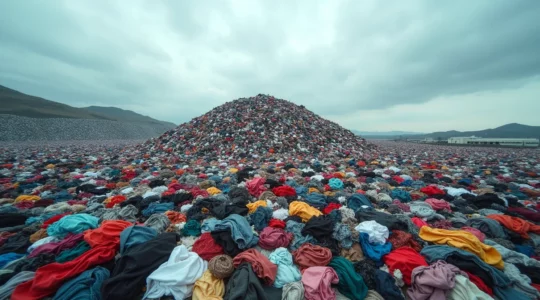
The Truth About Textile Waste: What Actually Happens to Donated Clothes?
Contrary to popular belief, donating clothing is not a simple act of charity but the first step into a broken global system where most items become waste. The vast majority of donated clothes are not resold locally; they are bundled…
Read more
How to Quit Fast Fashion and Build a Wardrobe You Love (On a Budget)
In summary: Shift your mindset from a consumer to a “wardrobe investor” by focusing on the Cost Per Wear (CPW) of each item. Master strategic thrifting by targeting specific neighborhoods and learning to identify high-quality natural fibers by touch. Reduce…
Read more
Transitioning to a Cruelty-Free Lifestyle: Hidden Animal Products in Your Home
In summary: Going cruelty-free beyond your diet means becoming an investigator to decode misleading marketing and complex regulations. Terms like “vegan formula” or “not tested on animals” don’t guarantee a product is 100% cruelty-free due to supply chain and legal…
Read more
Navigating Ethical Living: How to Handle Social Friction Without Losing Friends?
Navigating social life as a new vegan isn’t about winning arguments; it’s about mastering diplomatic communication to preserve your relationships. Focus on building a “Shared Values Bridge” that highlights common ground like health or compassion, rather than focusing on dietary…
Read more
Beyond Berries: Unconventional Powerful Antioxidant Sources for Skin Health
Achieving truly radiant skin isn’t about eating more berries; it’s about harnessing the superior phytochemical power of unconventional antioxidants. Potent sources like raw cacao and specific spices offer a higher concentration of protective compounds than many common fruits. How you…
Read more
Beyond the Perfect Diet: A Holistic Approach to Wellness for High-Achievers
Contrary to popular belief, a “perfect” diet is not the key to wellness and can even become a source of stress and burnout for high-achievers. True health lies in the biochemical interplay between nutrition, sleep, and stress management, not in…
Read more
Unlock All-Day Energy: 5 Morning Habits to Ditch Caffeine for Good
The key to sustained morning energy isn’t another cup of coffee; it’s mastering a precise biochemical sequence that balances your blood sugar and hormones from the moment you wake up. Most “healthy” fruit smoothies trigger a massive insulin spike, leading…
Read more