Special Recipes
Special recipes stand apart from everyday cooking not because they’re complicated, but because they demand something more: a deeper understanding of technique, a respect for science, and often, a willingness to innovate while honoring tradition. These are the dishes that transform simple ingredients into extraordinary experiences, whether through the patient alchemy of fermentation, the precise chemistry of egg-free baking, or the careful heat management that coaxes sweetness from vegetables.
What makes a recipe “special” isn’t exotic ingredients or professional equipment. It’s the intersection of knowledge and intention. It’s understanding why salt type matters in fermentation, how acid and base reactions create lift without eggs, or why timing the rest period in layered dishes prevents structural collapse. This article explores the foundational techniques that elevate cooking from routine to remarkable, giving you the confidence to tackle advanced methods that once seemed reserved for professional kitchens.
Why Fermentation Remains the Foundation of Culinary Heritage
Fermentation represents one of humanity’s oldest cooking techniques, yet it continues to captivate modern cooks for compelling reasons. This controlled microbial transformation doesn’t just preserve food—it fundamentally reimagines flavor, texture, and nutritional value. From Korean kimchi to German sauerkraut, fermented foods carry cultural identity while delivering probiotic benefits that support digestive health.
The science behind successful fermentation rests on three pillars: proper equipment sterilization, appropriate salt selection, and precise timing. Sterilization prevents unwanted bacteria from competing with beneficial microbes, which is why experienced fermenters thoroughly clean vessels with hot water and avoid antibacterial soaps that leave residue. The type of salt matters profoundly—additives in table salt can inhibit fermentation, while pure sea salt or kosher salt provides the mineral-rich environment that lactobacilli thrive in.
Timing separates mediocre ferments from exceptional ones. The fermentation process moves through distinct stages: an initial aerobic phase where beneficial bacteria establish dominance, followed by anaerobic fermentation where lactic acid develops, and finally a maturation period where flavors mellow and complex. Learning to diagnose issues—such as kahm yeast forming on the surface or insufficient brine coverage—transforms fermentation from mysterious to manageable.
- Temperature control determines fermentation speed: warmer environments accelerate the process but risk off-flavors
- Salt concentration balances preservation with texture: typically between 2-3% for vegetables
- Weight distribution keeps ingredients submerged, preventing mold exposure
- Burping vessels releases carbon dioxide buildup during active fermentation
Smart Substitutions: Redefining Baking for Heart Health
Modern baking increasingly focuses on heart-healthy substitutions that reduce saturated fat without sacrificing the texture and flavor we crave. Understanding how different fats behave during baking empowers you to make informed choices rather than following recipes blindly. The challenge lies in matching fat properties—solid versus liquid state, melting point, and flavor contribution—to the specific requirements of each recipe.
Comparing fat solids reveals crucial differences. Butter contains approximately 80% fat with water and milk solids comprising the remainder, creating steam during baking that produces flaky layers. Coconut oil, while plant-based, behaves similarly due to its high saturated fat content and solid state at room temperature. Olive oil and avocado oil remain liquid, fundamentally changing how they interact with flour proteins and affecting final texture.
Smoke points become critical when recipes involve high-heat techniques. Refined avocado oil tolerates temperatures exceeding 500°F, making it ideal for roasting vegetables before incorporating them into baked dishes. Extra virgin olive oil, with its lower smoke point around 375°F, works beautifully in moderate-temperature baking but can develop bitter notes if overheated. Understanding these thresholds prevents texture failure and off-flavors.
Preventing Common Texture Problems
The most frequent issue when substituting fats is density or greasiness. This happens when liquid oils fail to create the air pockets that solid fats naturally form during creaming. To compensate, slightly increase leavening agents or incorporate beaten egg whites (or aquafaba in vegan recipes) to introduce trapped air. Additionally, moderating alternative fats—using slightly less oil than the butter amount called for—often yields better results since oils provide 100% fat compared to butter’s 80%.
Plant-Based Innovation: Where Heritage Meets Modern Cooking
Perhaps no area of special recipes demonstrates more creativity than adapting traditional dishes to plant-based diets while preserving cultural authenticity. This practice walks a delicate line between innovation and respect, asking difficult questions about what makes a dish “authentic” when fundamental ingredients change. The goal isn’t to replicate animal products perfectly, but to capture the essence and soul of traditional recipes using thoughtful substitutions.
Mastering Fruit-Based Meat Alternatives
One of the most intriguing developments involves using fruit—particularly jackfruit—as a meat alternative. Young, unripe jackfruit possesses a neutral flavor and stringy texture remarkably similar to pulled pork or shredded chicken when cooked. Selecting the right product matters: canned jackfruit in brine works far better than the sweet, ripe fruit sold fresh. The preparation process involves neutralizing any residual sweetness, then infusing the fruit with savory flavors through marinades and long, slow simmering.
Preventing sogginess represents the primary technical challenge. Jackfruit contains significant moisture that must be managed carefully. Pressing or squeezing the fruit after draining removes excess liquid. During cooking, allow adequate time for the simmer to reduce and concentrate the sauce, letting the fruit absorb flavors rather than dilute them. The texture should feel substantial and slightly chewy, not waterlogged.
Preserving Cultural Heritage Through Adaptation
Managing family expectations when reimagining beloved holiday meals requires both culinary skill and emotional intelligence. Traditional dishes carry memories, and changing them can feel threatening to older generations who see recipes as cultural touchstones. Success comes from matching flavor profiles meticulously—if a traditional dish is rich and savory, the plant-based version must deliver that same satisfying depth, perhaps through mushroom umami or nutritional yeast’s cheesy notes.
The authenticity debate ultimately asks: what deserves preservation? Is it specific ingredients, or the techniques, flavors, and gathering traditions those dishes enable? Many cooks find that substituting fats and proteins while maintaining traditional spice blends, cooking methods, and timing creates continuity. A plant-based version of a grandmother’s recipe, prepared with her technique and served at the same holiday table, can honor heritage while acknowledging evolving values.
Thermal Mastery: Caramelization and Flavor Concentration
Caramelization—the breakdown of sugars under heat—represents one of cooking’s most powerful flavor-development tools. This Maillard-adjacent reaction creates hundreds of new compounds, transforming the simple sweetness of raw vegetables into complex, nutty, slightly bitter notes that add sophistication to any dish. Explaining caramelization scientifically helps cooks understand why certain techniques work: sugars require temperatures above 300°F to break down, which is why roasting produces different results than steaming.
Concentrating flavors through thermal technique demands attention to several variables working in concert. Timing the oven correctly ensures vegetables spend enough time at high heat to develop color without desiccating completely. A common mistake involves overcrowding pans, which traps steam and prevents the dry heat necessary for caramelization. Avoiding steam means spacing ingredients generously and resisting the urge to stir too frequently—letting surfaces make sustained contact with hot metal develops the golden-brown crust that signals flavor development.
Selecting fats for high-heat roasting prioritizes stability and complementary flavor. Oils with high smoke points prevent burning, while the fat’s character should enhance rather than compete with the ingredients. Neutral oils like grapeseed work universally, while olive oil adds fruity notes that pair beautifully with Mediterranean vegetables. A light coating is sufficient—too much fat prevents direct contact with the hot pan, steaming food instead of caramelizing it. The goal is enhancing natural sweetness through heat, creating depth that makes even simple roasted carrots taste extraordinary.
The Precision Chemistry of Egg-Free and Dairy-Free Baking
Vegan baking demands understanding the functional roles that eggs and dairy play, then replacing those specific functions rather than the ingredients themselves. Eggs provide structure through protein coagulation, leavening through trapped air, moisture, fat, and binding. Dairy contributes fat, protein, sugar (lactose), and acidity. Successful substitution requires matching these properties with plant-based alternatives that deliver the same chemical results.
Chemical Reactions That Replace Animal Products
The interaction of acid and base creates leavening without eggs—a principle behind the classic “vinegar and baking soda” combination. When acidic ingredients like apple cider vinegar or lemon juice meet alkaline baking soda, they produce carbon dioxide bubbles that expand during baking, creating lift. This reaction happens quickly, which is why batters using this method should go into the oven promptly. Developing gluten through proper mixing becomes more critical in vegan baking since egg proteins aren’t available for structure. Kneading or stirring just enough to align gluten strands—but not so much that baked goods become tough—requires practice and observation.
Preventing Density and Achieving Lightness
Dense, heavy results plague many first attempts at vegan baking. Preventing density starts with proper butter substitution—using refined coconut oil or vegan butter sticks formulated for baking rather than tub-style spreads containing excess water. The creaming method, where fat and sugar are beaten together to incorporate air, still works with vegan butter if the fat is solid and cold. Timing the cooling process matters as well: vegan baked goods often improve in texture after resting, as starches continue absorbing moisture and the crumb sets properly.
Engineering Complex Layered Dishes for Structural Success
Dishes like lasagna or vegetable tians present unique engineering challenges: how to construct multiple layers containing moisture-heavy ingredients without ending up with structural collapse or a watery mess. The principles apply whether you’re building traditional lasagna or a plant-based version with cashew ricotta and roasted vegetables. Success requires managing moisture at every level while creating sufficient structural integrity to hold layers distinct.
Preventing collapse begins with component preparation. Pre-cooking noodles to just under al dente allows them to absorb sauce during baking without becoming mushy. Replacing ricotta in plant-based versions works well with drained, blended cashews or tofu, but these substitutes often contain more moisture than dairy cheese. Pressing or straining them removes excess liquid that would otherwise pool between layers.
Timing the rest period after baking is perhaps the most overlooked step. Allowing the dish to sit for 15-20 minutes before serving lets starches reabsorb liquid, sauces thicken as they cool slightly, and layers settle into cohesion. Cutting into a lasagna straight from the oven guarantees a sloppy presentation, while patience yields clean slices that showcase your careful layering.
- Layer umami strategically: positioning the most flavorful elements (mushroom duxelles, tomato paste, miso) in the middle where they’ll diffuse outward
- Create moisture barriers using slightly drier components between wet layers
- Build from heaviest to lightest: denser layers on the bottom provide stability
- Consider par-baking: partially baking the bottom layers before adding moisture-rich top components
Special recipes reward the cook willing to understand why techniques work, not just follow steps mechanically. Whether you’re fermenting your first batch of vegetables, adapting a family recipe to plant-based ingredients, or troubleshooting why your vegan cake didn’t rise, the principles remain consistent: respect the science, honor the tradition, and approach each challenge as an opportunity to deepen your mastery. The techniques covered here form a foundation, but your kitchen experiments will build the expertise that transforms good cooking into something truly special.
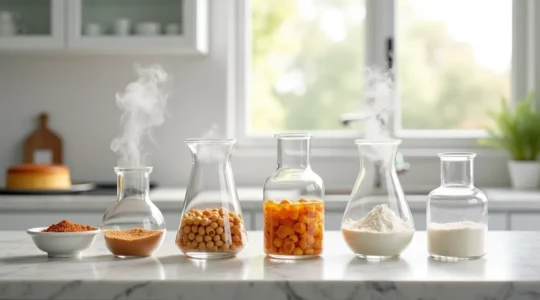
The Science of Vegan Baking: Replacing Eggs Without Flops
In summary: Successful vegan baking requires deconstructing an egg’s functions (binding, leavening, fat, structure) and rebuilding them with specific ingredients. Gumminess is often caused by over-developed gluten in lean batters; mix just until combined. Chemical leavening (baking soda + acid)…
Read more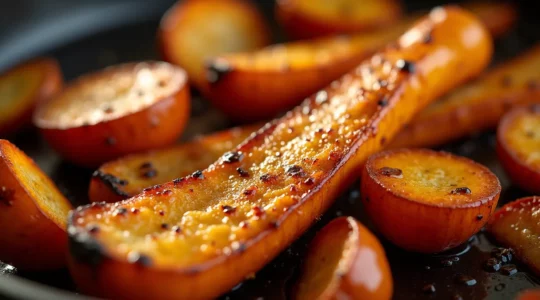
The Art of Slow-Roasting: How to Transform Humble Vegetables into Candy
Forget everything you know about high-heat roasting. The secret to unlocking profound sweetness and depth in vegetables isn’t speed; it’s patience. By embracing low, gentle heat, you trigger specific chemical reactions that high temperatures bypass, transforming fibrous roots and bland…
Read more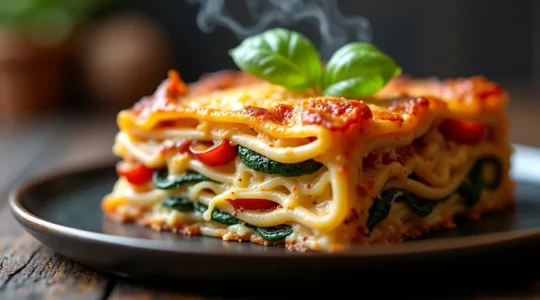
Constructing the Perfect Vegetable Lasagna: Preventing the Watery Mess
A watery lasagna is not a recipe failure; it is a structural engineering failure caused by unmanaged moisture load. Vegetables must be pre-treated to reduce their high water content before assembly. The choice of cheese and noodles directly impacts the…
Read more
Reimagining Tradition: How to Keep the Soul of Your Family’s Recipes, Without the Meat
Adopting a plant-based diet doesn’t mean sacrificing your culinary heritage; it means becoming a ‘culinary translator’ to preserve the emotional core of your family’s most cherished dishes. The key is to understand the role an ingredient plays—its texture, flavor, and…
Read more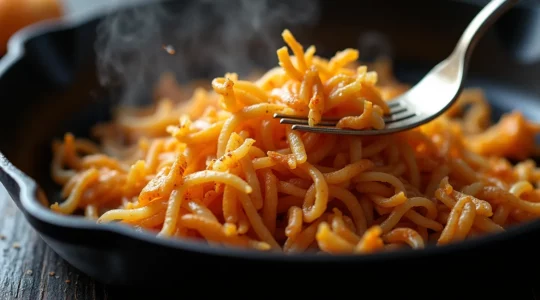
Mastering Pulled Jackfruit Tacos: How to Get the Meaty Texture?
Achieving a convincing “meaty” texture with jackfruit has little to do with the sauce and everything to do with mastering moisture evacuation and targeted heat application. The critical first step is aggressively removing the canning liquid to create a neutral,…
Read more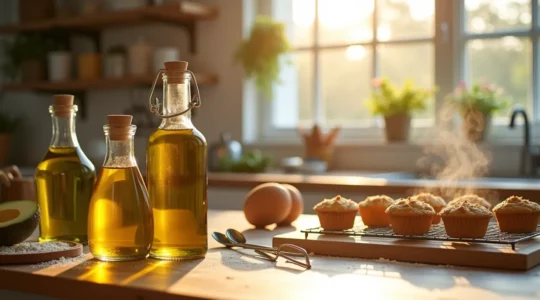
The Baker’s Guide to Swapping Animal Fats for Plant Oils: Achieve Flaky, Heart-Healthy Pastries
The secret to heart-healthy baking that doesn’t sacrifice texture lies in understanding the science of fat—specifically, how to replicate butter’s structural magic with the right plant oils. Replacing saturated animal fats with monounsaturated fats from oils like avocado directly benefits…
Read more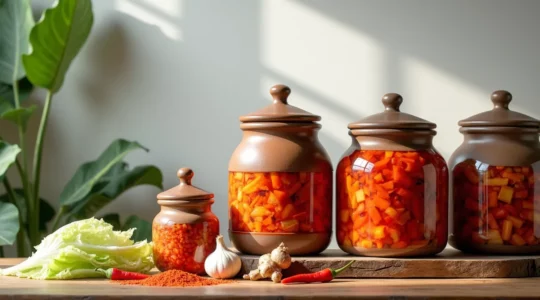
Mastering Traditional Fermentation: How to Make Kimchi at Home Safely?
Making authentic kimchi isn’t about finding the perfect recipe; it’s about mastering the living science that has preserved food for millennia. The microbial diversity in homemade kimchi offers health benefits far beyond what isolated probiotic pills can provide. Safety is…
Read more