Travel & Leisure
The intersection of travel and cuisine represents one of the most enriching ways to experience the world. Food serves as a universal language that transcends borders, offering travelers immediate access to local traditions, values, and community life. Whether navigating bustling street food markets, participating in cooking classes with local families, or timing visits to harvest festivals, culinary-focused travel creates memories that engage all the senses while fostering genuine cultural understanding.
However, meaningful food-centered journeys require more than simple enthusiasm. From distinguishing authentic sustainability practices from clever marketing to managing health risks in unfamiliar environments, today’s conscious travelers face numerous considerations. This resource examines the essential knowledge areas that transform ordinary food tourism into responsible, safe, and deeply rewarding experiences—covering everything from verifying ethical certifications to mastering the timing of seasonal markets.
Making Sustainable and Responsible Tourism Choices
The rise of conscious travel has brought both genuine progress and sophisticated greenwashing to the tourism industry. Understanding the difference protects both travelers’ values and the communities they visit.
Recognizing Authentic Sustainability Practices
True sustainability in food tourism extends far beyond reusable straws and bamboo utensils. Authentic sustainable operations demonstrate measurable impacts across environmental, economic, and social dimensions. Look for establishments that source ingredients from local farmers within a documented radius, typically under 100 kilometers. These businesses can usually name their suppliers and explain seasonal menu variations based on harvest cycles.
Certifications provide helpful frameworks, but require scrutiny. Third-party verified credentials from recognized organizations carry more weight than self-created badges. When evaluating cooking schools, tour operators, or restaurants, ask specific questions: What percentage of staff comes from the local community? How does the business handle food waste? Are traditional recipes and techniques preserved and credited to their cultural origins? Genuine practitioners welcome these conversations and provide concrete answers rather than vague promises.
Community Impact and Resource Management
Water scarcity affects many popular culinary destinations, yet travelers rarely consider their consumption footprint. A typical tourist uses between two to four times more water than local residents, creating strain on already limited resources. Responsible food travelers choose accommodations with documented conservation practices, avoid destinations during drought periods, and support restaurants using water-efficient cooking methods.
Community impact extends to economic distribution. When food tour companies employ local guides at fair wages, purchase ingredients from neighborhood markets, and schedule visits during slower business periods rather than peak tourist times, they create sustainable income streams. Conversely, tours that bus large groups to a single “authentic” restaurant often overwhelm small operations while concentrating economic benefits in few hands. The best experiences involve distributed spending across multiple small vendors, ensuring tourism revenue reaches diverse community members.
Planning Your Culinary Journey Effectively
Strategic timing and thorough preparation separate frustrating food travel from extraordinary experiences. Understanding seasonal patterns, crowd dynamics, and logistical requirements allows travelers to access the most authentic culinary encounters.
Mastering Timing for Optimal Experiences
Food travel timing operates on multiple layers. At the macro level, harvest seasons determine ingredient availability and festival schedules. Visiting wine regions during crush, attending mushroom foraging in autumn, or experiencing rice harvest celebrations requires aligning travel dates with agricultural calendars that vary by region and crop.
Daily timing proves equally crucial. Local markets typically offer the best selection and atmosphere during early morning hours, often between 6:00 and 9:00 AM, before tourist crowds arrive and vendors reserve their premium products for regular customers. Street food operations follow distinct patterns—breakfast vendors appear before dawn, lunch stalls peak between noon and 2:00 PM, and night markets come alive after sunset. Arriving at the wrong hour means missing specialties entirely or facing depleted inventory.
Weather patterns influence food culture profoundly. Monsoon seasons in tropical regions bring specific ingredients and preparation methods, while winter transforms market offerings in temperate zones. Rather than avoiding challenging weather, informed travelers embrace seasonal variations to experience dishes impossible during other periods.
Documentation and Practical Preparation
Visa requirements for culinary-focused travel receive insufficient attention until complications arise. Many countries offer different visa categories, and participating in cooking classes or workshops sometimes requires permits beyond standard tourist visas. Research requirements at least three months before departure, particularly when planning extended stays or hands-on learning experiences.
Packing for food-centered travel demands specialized consideration. Essential items include:
- Portable water purification method (tablets, UV pen, or filter bottle)
- Probiotic supplements to support digestive adaptation
- Compact spice containers for bringing home local flavors legally
- Documentation of food allergies in the local language
- Breathable, easily washable clothing for market visits and cooking activities
Invest in a quality insulated bag if planning to transport perishable ingredients or participate in market tours. Many travelers overlook this practical item, then struggle to preserve delicate purchases during transit.
Exploring Global Flavors Safely
Street food represents one of travel’s greatest pleasures and risks simultaneously. Navigating unfamiliar food systems safely requires observation skills, basic hygiene knowledge, and calculated risk acceptance.
Street Food Selection Strategies
Popular wisdom suggests following local crowds to identify safe street food, but this guideline requires refinement. Observe who comprises the crowd—regular customers who return daily demonstrate sustained trust that casual passersby cannot. Watch for vendors who maintain separate hands for money handling and food preparation, or better yet, operations where different team members handle these tasks.
High turnover indicates freshness. Stalls that continuously cook small batches and quickly sell out offer lower risk than those keeping prepared food warm for extended periods. Foods cooked to order at temperatures exceeding 70°C (160°F)—grilled meats, fried items, freshly made flatbreads—present minimal bacterial risk. Conversely, room-temperature salads, pre-cut fruit, and dishes containing mayonnaise or cream-based sauces carry higher contamination potential in environments lacking consistent refrigeration.
Cooking method comparison reveals cultural ingenuity and safety implications. Deep frying, grilling over open flames, and steaming all achieve temperatures that eliminate most pathogens. Understanding whether a cuisine traditionally relies on fermentation, smoking, or drying for preservation helps assess both safety and flavor expectations.
Managing Health Risks and Bacterial Exposure
Complete avoidance of bacterial exposure during food travel is neither possible nor necessarily desirable. The human digestive system requires gradual adaptation to unfamiliar microbial environments. Strategic exposure through progressive introduction of local foods helps build tolerance while minimizing severe reactions.
Begin with thoroughly cooked items from established vendors during the first few days. Gradually introduce raw vegetables, fresh fruits you peel yourself, and eventually more adventurous options. This staged approach allows gut flora to adapt without overwhelming your system. Probiotic supplementation, started two weeks before departure and continued throughout the trip, supports this adaptation process.
Recognize the distinction between minor digestive adjustment and concerning illness. Mild bloating or slight changes in bowel patterns during the first week typically reflect normal adaptation. Seek medical attention for severe cramping, persistent diarrhea beyond 24 hours, bloody stools, or high fever. Carry oral rehydration salts and basic anti-diarrheal medication, but avoid automatically suppressing symptoms that represent your body’s protective response to contamination.
Cultural Immersion Through Food Experiences
Food provides the most accessible entry point for cultural integration, offering opportunities for interaction that transcend language barriers while revealing community values and traditions.
Navigating Markets and Local Food Systems
Traditional markets function as community centers where food commerce intertwines with social exchange. Successful market visits require understanding unwritten protocols. Arriving with large camera equipment and photographing vendors without permission commodifies people and violates dignity. Instead, make purchases first, then politely request photos while respecting refusals.
Learn basic food vocabulary in the local language—numbers, common ingredients, cooking methods, and courteous phrases. Even rudimentary language efforts demonstrate respect and frequently unlock vendor knowledge unavailable to those who simply point and gesture. Many market vendors possess encyclopedic knowledge about ingredient selection, seasonal variations, and traditional preparation methods, sharing this expertise generously with genuinely interested visitors.
Timing market visits for discovery rather than efficient shopping transforms the experience. Allocate three to four hours for a thorough exploration, allowing time for multiple circuits, comparison shopping, and spontaneous conversations. The best finds—whether a grandmother’s secret spice blend or a heritage fruit variety—emerge through patient observation and relationship building rather than rushed transactions.
Understanding Cooking Traditions and Cultural Context
Cooking methods encode cultural wisdom developed over generations. Techniques that appear inefficient often reflect adaptations to local conditions, available fuel sources, or nutritional optimization. Clay pot cooking preserves moisture in arid climates, wok cooking achieves maximum heat with minimal fuel, and fermentation extends harvest abundance through scarce seasons.
When participating in cooking classes or home meal experiences, approach with genuine curiosity rather than comparison to familiar techniques. Questions like “Why does this recipe include this step?” or “How did you learn this method?” invite storytelling and cultural transmission. Avoid suggesting modifications or improvements unless explicitly asked—such comments imply superiority and disrespect inherited knowledge.
Overcoming language barriers in culinary contexts relies heavily on demonstration and shared activity. Cooking together creates natural opportunities for communication through gesture, imitation, and the universal understanding that develops around shared tasks. Many profound cultural exchanges happen with minimal verbal communication when participants focus on the collaborative act of preparing food.
Balancing Wellness, Luxury, and Authenticity
Contemporary food travelers increasingly seek experiences that nourish both body and spirit while grappling with tensions between comfort and genuineness.
Wellness-Focused Culinary Travel
Tropical environments present unique considerations for wellness-oriented food travelers. High heat and humidity affect both food safety and personal energy levels. Prioritize hydration through safe sources—sealed bottled water, freshly opened coconuts, or hot beverages prepared with boiled water. Dehydration impairs judgment about food choices and increases susceptibility to heat-related illness.
Wildlife risks in tropical and remote destinations extend to food preparation areas. Monkeys, birds, and insects attracted to food vendors can carry diseases or contaminate ingredients. Observe whether establishments maintain covered storage and protected cooking areas. Outdoor dining offers wonderful ambiance but requires awareness of surroundings and sensible precautions like covering drinks and inspecting food before consumption.
Spiritual tourism increasingly intersects with culinary experiences through temple stays, meditation retreat meals, and sacred food traditions. Balancing personal spiritual exploration with local religious reality requires sensitivity to context. Tourist-oriented “spiritual” experiences sometimes commodify sacred practices or present oversimplified versions disconnected from authentic tradition. Seek experiences led by respected practitioners from the tradition, prioritize learning over social media content, and follow ceremonial protocols around food offerings and consumption.
Choosing Between Luxury and Authentic Experiences
The luxury-authenticity spectrum in food travel rarely presents a binary choice. High-end restaurants increasingly employ traditional techniques and indigenous ingredients while providing comfort and safety assurance. Conversely, some “authentic” street food scenes have become staged tourist attractions offering little genuine cultural insight.
Evaluate experiences based on intention and execution rather than price point alone. Does a luxury cooking school employ local experts who receive appropriate credit and compensation? Does the rustic village meal experience respect community boundaries and avoid treating residents as tourist attractions? The most meaningful experiences, regardless of cost, demonstrate mutual respect between visitors and hosts, fair economic exchange, and preservation of culinary traditions in their cultural context.
Finding hidden gems requires moving beyond curated recommendation lists and engaging directly with local food communities. Connect with food bloggers who write in the local language, ask hotel staff where they eat on days off, or observe where chefs dine after their own restaurant shifts end. These informal networks reveal establishments that prioritize quality and community over tourist traffic.
Food-centered travel offers unmatched opportunities for cultural understanding, personal growth, and pure sensory pleasure. By approaching culinary adventures with preparation, respect, and openness to authentic experiences—while maintaining appropriate safety awareness and sustainable practices—travelers create meaningful exchanges that benefit both themselves and the communities they visit. Each meal becomes not just sustenance, but a story of connection across cultures, a lesson in tradition, and an investment in preserving the world’s diverse food heritage.
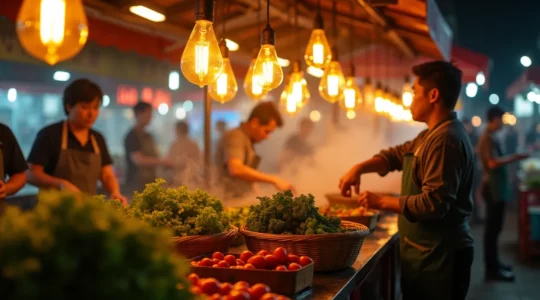
Eating Vegan Street Food Abroad: A Street-Smart Safety Guide
In summary: Prioritize heat: Thoroughly cooked food is almost always safer than raw or lukewarm dishes. Become an observer: Your eyes are your best tool for judging a stall’s hygiene, freshness, and safety practices. Communicate visually: A translation card explaining…
Read more
Balinese Sanctuaries: The Ethics of Digital Nomad Living in Bali
Living the Bali dream requires more than a laptop and a visa-run; it demands a conscious effort to minimize your systemic footprint on the island’s fragile resources. Your presence directly impacts critical systems like the water supply, where tourism consumes…
Read more
Planning Costa Rican Retreats: Jungle Logistics for City Dwellers
The fantasy of a serene jungle retreat crashes against reality without mastering basic “jungle logistics.” True wellness comes from preparing for the untamed elements, not just the yoga poses. From creature-proofing your room to picking the right clothes for 90%…
Read more
Choosing Green Eco-Lodges: How to Spot Greenwashing in Hotels?
The biggest myth in sustainable travel is that a certificate or a “reuse your towel” sign proves a hotel is green. True sustainability is found in a hotel’s invisible systems: its energy grid, its bank, and its waste disposal methods….
Read more