Vegan Food
Vegan food has evolved far beyond simple salads and steamed vegetables. Today’s plant-based cuisine represents a sophisticated culinary landscape where technique, nutrition science, and flavor innovation intersect. Whether you’re transitioning to a fully plant-based diet or simply incorporating more vegan meals into your routine, understanding the fundamental principles behind vegan cooking transforms it from restrictive to genuinely exciting.
The challenge many face isn’t finding vegan recipes—it’s mastering the unique approaches that make plant-based ingredients truly shine while meeting nutritional needs confidently. This comprehensive resource addresses the core elements of vegan food: the cooking techniques that unlock flavor, the nutritional strategies that prevent deficiencies, and the protein science that dispels common myths. By understanding these foundations, you’ll approach vegan cooking with both creativity and confidence.
Why Vegan Cooking Requires Different Techniques
Plant-based ingredients behave fundamentally differently from their animal-based counterparts. Think of it this way: cooking meat is largely about rendering fat and breaking down muscle fibers, while cooking vegetables, legumes, and grains involves managing water content, cell structure, and natural sugars. Applying the same approach to both categories often leads to disappointing results—mushy vegetables, bland proteins, or textures that lack appeal.
Understanding Heat Sensitivity in Plant Ingredients
Different plant foods have vastly different heat tolerances. Delicate leafy greens like spinach and kale contain high water content and cook in seconds, while dense vegetables like sweet potatoes and beets require extended heat to convert starches into sweetness. Legumes present another challenge entirely: they need sufficient cooking to eliminate antinutrients and improve digestibility, but overcooking turns them mealy and unappetizing.
The key is matching your cooking method to the ingredient’s structure. Quick, high-heat techniques like stir-frying work beautifully for vegetables you want to remain crisp. Slow, gentle methods like braising excel at coaxing flavor from dense ingredients like root vegetables or transforming chewy items like seitan. Understanding this relationship prevents the most common mistake: treating all plant foods as if they require the same cooking time and temperature.
Mastering Marination for Maximum Flavor
Unlike meat, which contains fat to carry flavor, many plant proteins are relatively neutral. This isn’t a limitation—it’s an opportunity. Strategic marination allows vegan proteins like tofu, tempeh, and mushrooms to absorb complex flavors deeply. However, timing matters significantly more than many realize.
Consider tofu: its porous structure can absorb marinade within 30 minutes for surface flavor, but achieving deep penetration requires several hours or overnight refrigeration. Tempeh, being denser with a firmer structure, benefits from longer marination periods—typically four to eight hours. Conversely, delicate vegetables like zucchini or eggplant can become mushy if marinated too long; 15 to 30 minutes often suffices. The marinade composition matters too: acidic components like lemon juice or vinegar help break down cell walls, allowing flavors to penetrate more effectively while also improving texture.
Common Mistakes That Compromise Taste
Several recurring errors diminish the potential of vegan dishes. First, undersalting remains surprisingly common, often stemming from health concerns. Yet salt doesn’t just add saltiness—it enhances the perception of other flavors and is particularly crucial in plant-based cooking where natural umami is less abundant. Second, neglecting textural contrast results in monotonous dishes. Combining crispy elements with creamy ones, or chewy with tender, creates more satisfying eating experiences.
Third, many home cooks fail to develop sufficient browning. The Maillard reaction—the chemical process creating complex, savory flavors through browning—works just as effectively on plant foods as animal products. Properly searing mushrooms until deeply golden, roasting vegetables until caramelized, or pan-frying tofu until crispy unlocks entirely new flavor dimensions that simply don’t exist in pale, undercooked versions of these same ingredients.
Nutritional Density: The Foundation of Healthy Vegan Eating
Calorie counting tells only part of the nutritional story. A food’s nutritional density—the ratio of vitamins, minerals, and beneficial compounds to calories—determines whether your diet truly supports optimal health. For vegan eaters, prioritizing nutritionally dense foods ensures you meet micronutrient needs without excessive caloric intake.
What Makes a Food Nutritionally Dense?
Nutritional density encompasses several factors simultaneously: vitamin and mineral content, protein quality, fiber levels, and the presence of beneficial phytochemicals. Leafy greens exemplify high nutritional density—they provide substantial amounts of vitamins A, C, K, folate, iron, and calcium for remarkably few calories. Legumes offer another excellent example, delivering protein, fiber, B vitamins, and minerals like iron and zinc in a compact package.
Comparing foods within categories reveals important distinctions. Among grains, quinoa and amaranth provide complete protein profiles and more minerals than refined white rice. Among plant milks, fortified soy milk delivers more protein and calcium than almond milk. Understanding these nuances allows you to make choices that maximize nutritional return on every meal. The goal isn’t perfection—it’s consistently choosing foods that provide diverse nutrients rather than empty calories.
Plant-Based Superfoods Worth the Hype
The term “superfood” suffers from marketing overuse, but certain plant foods genuinely deliver exceptional nutritional profiles. Here are those with substantial scientific backing:
- Spirulina and chlorella: These algae provide highly bioavailable protein, B vitamins including B12 in some forms, iron, and unique antioxidants not found in terrestrial plants.
- Hemp seeds: Offering complete protein with an ideal omega-6 to omega-3 ratio, plus significant magnesium and iron content.
- Nutritional yeast: A flavor enhancer that doubles as a B-vitamin powerhouse, particularly B12 when fortified, plus providing complete protein.
- Sea vegetables: Delivering iodine often lacking in plant-based diets, along with minerals and unique fiber compounds supporting gut health.
The most important consideration isn’t incorporating every trendy superfood—it’s building meals around consistently nutritious whole foods like legumes, whole grains, vegetables, fruits, nuts, and seeds. Superfoods work best as nutritional boosters supplementing an already solid foundation.
Protein Combination: Separating Myth from Science
Few aspects of vegan nutrition generate more confusion than protein. Outdated advice about “complete” versus “incomplete” proteins and the necessity of combining specific foods at each meal has created unnecessary anxiety. Modern nutritional science tells a more reassuring story.
How the Amino Acid Pool Actually Works
Your body maintains an amino acid pool—a reserve of individual amino acids circulating in your bloodstream and stored in cells. This pool receives constant deposits and withdrawals throughout the day as you consume protein-containing foods and your body builds or repairs tissues. The crucial insight: this pool doesn’t reset with each meal or even each day.
Think of it like a bank account rather than a vending machine. You don’t need to deposit all required amino acids simultaneously any more than you need to deposit your entire monthly income at once. As long as you consume a variety of plant proteins throughout the day—legumes, grains, nuts, seeds, vegetables—your amino acid pool maintains adequate levels of all essential amino acids. Your body efficiently combines them as needed for protein synthesis.
This understanding eliminates the stress of perfectly balancing proteins at every meal. A breakfast of oatmeal, a lunch featuring chickpeas, and a dinner with quinoa and broccoli collectively provides all essential amino acids, even though no single meal contains them in “perfect” ratios.
Strategic Meal Pairing for Complete Nutrition
While rigid food combining isn’t necessary, certain pairings offer practical advantages. Traditional food combinations across cultures often naturally complement each other nutritionally:
- Grains plus legumes: Rice and beans, hummus and pita, lentils and barley—these combinations provide complete amino acid profiles in a single meal while offering complementary textures and flavors.
- Nuts/seeds with vegetables: Adding tahini to roasted vegetables or sprinkling hemp seeds on salads boosts both protein content and mineral absorption due to healthy fats.
- Vitamin C sources with iron-rich foods: Pairing lentils with tomatoes or spinach with citrus enhances iron absorption significantly, addressing one of the primary nutritional concerns in plant-based diets.
These pairings work because they address both amino acid profiles and micronutrient synergies. However, remember they represent optimization strategies rather than absolute requirements. Even if you eat grains at breakfast and legumes at dinner without combining them, your amino acid pool handles the distribution effectively.
Building Confidence and Reducing Nutritional Anxiety
Perhaps the most significant barrier to successful vegan eating isn’t nutritional—it’s psychological. Constant concern about deficiencies creates stress that undermines the health benefits of plant-based eating. While awareness of nutritional needs matters, excessive anxiety proves counterproductive.
The evidence-based approach to nutritional confidence involves three elements. First, focus on dietary diversity rather than perfection. Eating a wide variety of whole plant foods naturally provides the spectrum of nutrients your body needs. A colorful plate typically indicates diverse phytonutrients and vitamins. Second, understand which nutrients genuinely require attention in vegan diets: vitamin B12 (requiring supplementation or fortified foods), vitamin D (often deficient regardless of diet), omega-3 fatty acids (prioritizing ALA sources like flaxseed, chia, and walnuts), and potentially iodine and iron depending on individual circumstances.
Third, consider periodic nutritional assessment rather than constant worry. If you’re eating varied whole foods, supplementing B12, and generally feeling well, you’re likely meeting nutritional needs. Should specific concerns arise—persistent fatigue, unusual symptoms, or major dietary changes—consulting with a knowledgeable healthcare provider or registered dietitian offers personalized guidance far more valuable than generalized anxiety.
Vegan food represents both a nutritional approach and a culinary adventure. By mastering the techniques that optimize flavor, understanding the science behind nutritional density and protein combination, and maintaining informed confidence rather than anxious perfection, you create a sustainable, enjoyable relationship with plant-based eating. The goal isn’t just adequate nutrition—it’s delicious, satisfying meals that support both health and pleasure at the table.
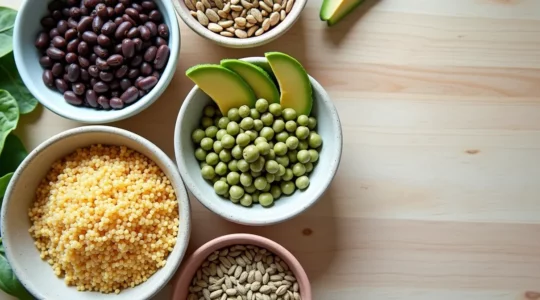
The Truth About Complete Vegetal Sources: Do You Really Need to Combine Proteins?
Contrary to a persistent myth, you do not need to meticulously combine plant proteins at every single meal. Your body intelligently maintains a reservoir of amino acids, known as the “amino acid pool,” drawing from it as needed throughout the…
Read more
How to Cook Nutrient-Rich Tempeh Without the Bitter Aftertaste?
In summary: Tempeh’s bitterness is a soluble compound from fermentation that can be easily removed with a simple pre-cooking step: steaming. Steaming not only eliminates bitterness but also softens the tempeh, opening its protein matrix to absorb marinades more effectively….
Read more