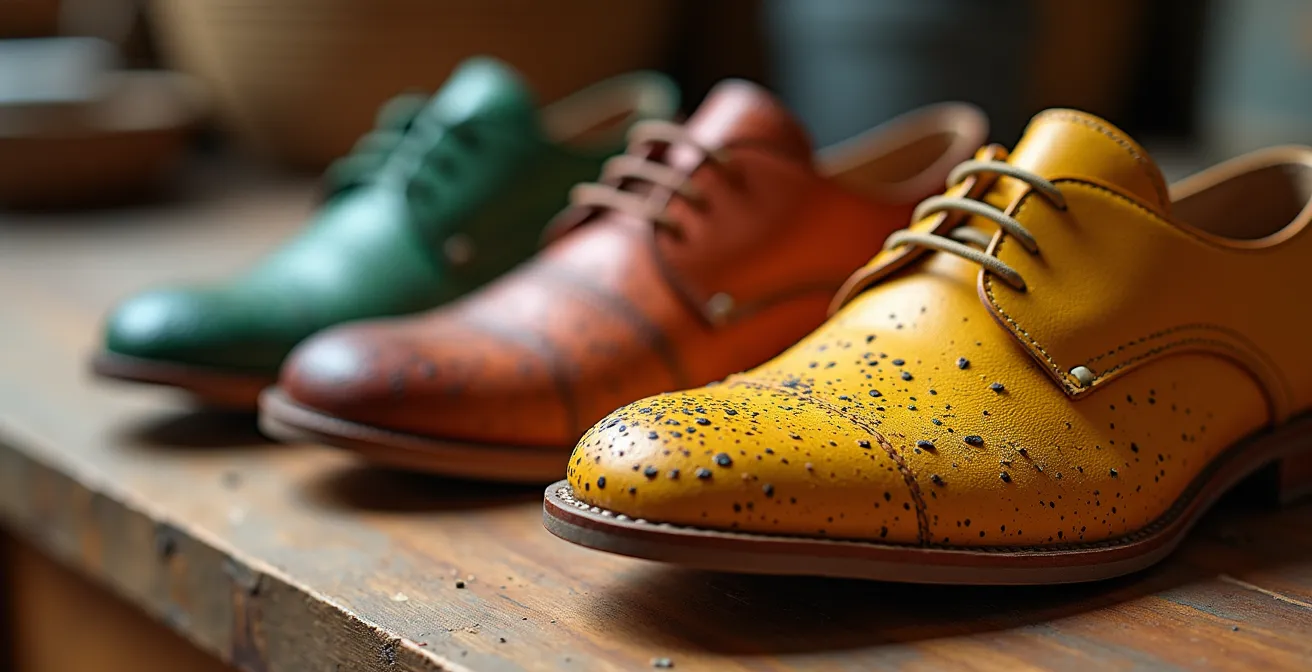
The durability of plant-based leather is not a simple yes or no; it is a material science equation where the fiber substrate, polymer binders, and proper care protocols determine its true longevity.
- Many legacy “vegan leathers” are petroleum-based PU, but next-generation materials like cactus and mushroom leather offer superior environmental profiles and impressive technical performance.
- True durability depends on the specific material composition (e.g., quality cactus leather can last up to 10 years) and requires climate-specific maintenance to prevent cracking or degradation.
Recommendation: Evaluate alternatives based on their specific composition (bio-based content vs. binders) and end-of-life biodegradability, not just the generic “plant-based” label.
For the discerning consumer, the promise of plant-based leather presents a dilemma. The appeal of a cruelty-free, potentially more sustainable alternative to animal hide is strong, yet it is shadowed by a healthy skepticism. Can a material derived from a cactus, pineapple, or mushroom truly withstand the rigors of daily use in a pair of shoes? The market is flooded with products labeled “vegan leather,” a term that often obscures more than it reveals, lumping innovative bio-fabrics in with simple plastics.
Common advice often focuses on the ethical benefits or makes sweeping generalizations about environmental impact. However, for those questioning whether their investment will fall apart in a year, these discussions miss the point. The core of the issue lies not in the marketing, but in the material science. Understanding the durability of these novel materials requires a shift in perspective—away from a simple comparison to cowhide and towards an analysis of their unique composition, structural integrity, and specific maintenance needs.
This article moves beyond the surface-level debate. We will dissect the most common plant-based leathers from a technical standpoint, examining the polymer science that holds them together and the factors that govern their lifespan. Instead of asking if they are durable, we will ask *how* they are durable and what it takes to maximize their performance. By analyzing the substrate, the binders, and the real-world wear characteristics, we can build a clear, unbiased picture of whether these materials are genuinely ready for the demands of daily wear.
To navigate this complex landscape, this guide breaks down the critical questions you should be asking. We will explore the materials, their maintenance, their environmental lifecycle, and their long-term value, providing a clear framework for making an informed decision.
Summary: A Deep Dive into Plant-Based Leather Performance
- The PU Trap: Why Many “Vegan Leathers” Are Just Plastic?
- How to Clean and Condition Cactus Leather to Prevent Cracking?
- Mushroom vs. Pineapple Leather: Which One Is Fully Biodegradable?
- Why Plant Leather Doesn’t Develop a Patina Like Animal Skin?
- How Long Can You Expect Apple Leather Bags to Last?
- Is Vegan Fine Dining Worth the Price Tag for Non-Vegans?
- Sustainable Fashion on a Budget: How to Quit Fast Fashion?
- Sustainable Fashion on a Budget: How to Quit Fast Fashion?
The PU Trap: Why Many “Vegan Leathers” Are Just Plastic?
The term “vegan leather” is a broad umbrella that often shelters materials with vastly different origins and impacts. The most common and affordable variant is polyurethane (PU) leather, a 100% synthetic material. It’s made by coating a fabric backing—typically polyester—with a liquid form of the polymer polyurethane. This process creates a uniform, water-resistant surface that can mimic the texture of genuine leather, but its underlying structure is fundamentally plastic. While it is technically vegan, its connection to plants is nonexistent, and its environmental credentials are a subject of intense debate.
From a production standpoint, PU leather does offer some advantages over traditional leather. Its creation is less water-intensive and avoids the toxic chemicals used in the animal tanning process. Furthermore, some studies indicate that PU leather’s environmental impact is 33-50% less than that of animal leather per square meter. A 2017 study by CE Delft, for example, calculated that producing 1 kg of cowhide generates 17.0 kg of CO2 equivalent, whereas 1 kg of artificial leather emits a much lower 6.4 kg. However, this comparison only tells part of the story.
As a petroleum derivative, PU is tied to the fossil fuel industry. Its primary drawback emerges at the end of its life: it is not biodegradable. Discarded PU products can persist in landfills for hundreds of years, eventually breaking down into microplastics that pollute ecosystems. This “PU trap” is why a distinction is critical. True plant-based leathers use agricultural waste or cultivated biomass as a substrate (the core fibrous structure), which is then often bound together with a polymer. The goal of next-generation materials is to make this binder bio-based as well, creating a more circular product. Understanding this distinction is the first step in evaluating durability and sustainability claims.
How to Clean and Condition Cactus Leather to Prevent Cracking?
Cactus leather, notably the Desserto brand, represents a significant step forward in bio-fabricated materials. Made from the mature leaves of the Nopal cactus, its production is highly sustainable, requiring no irrigation and absorbing CO2 from the atmosphere. From a durability perspective, it exhibits impressive properties. It is partially biodegradable and engineered to be resilient, soft, and breathable. Lab tests show that high-quality cactus leather can achieve a tensile strength of 25 MPa with 95% elasticity, making it resistant to tearing and stretching under normal use.
However, like any high-performance material, its longevity is directly tied to proper maintenance. Unlike PU, which is largely inert, the organic components in cactus leather can be affected by environmental conditions, leading to dryness or cracking if neglected. The key is balance: maintaining its natural moisture without oversaturating it. Critically, maintenance protocols must adapt to the climate in which the product is used.
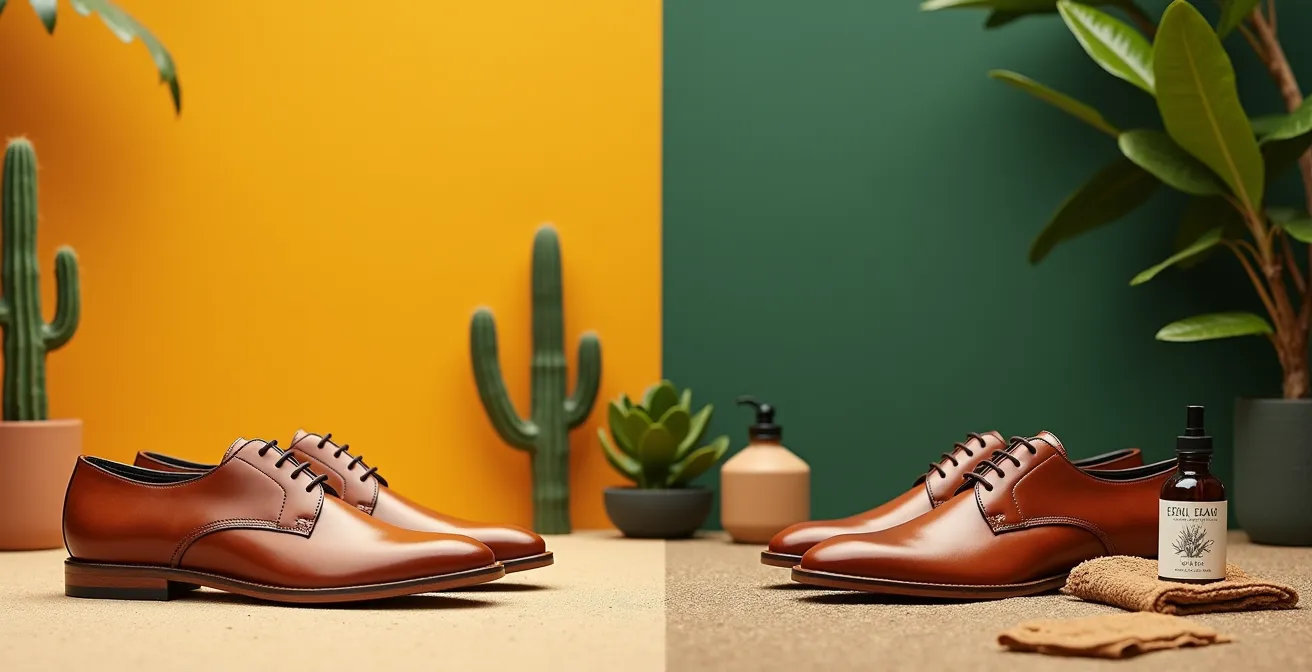
As the visual demonstrates, environmental context is key. In arid, dry climates, the material is more prone to losing its inherent moisture, which can lead to stiffness and potential flex cracking over time. Conversely, in humid climates, the primary concern is preventing damage from excess moisture and ensuring the material can breathe. Using incorrect cleaning agents like alcohol or bleach is a fatal error, as they will chemically break down the material’s structure, causing permanent damage.
Your Action Plan: Climate-Specific Care for Cactus Leather
- Immediate Spill Response: Clean spills immediately using a soft, white cotton cloth dampened with a mild soap and water solution, particularly for colored liquids like coffee or wine.
- Dry Climate Conditioning: In arid environments, apply a specialized plant-based leather conditioner once a month to the entire surface to maintain flexibility and prevent the material from drying out.
- Humid Climate Care: In high-humidity areas, ensure the item is stored in a well-ventilated space. Air dry it regularly and avoid prolonged exposure to rain or dampness.
- Chemicals to Avoid: Never use solvents such as alcohol, acetone, bleach, oils, or vinegar. These substances are aggressive and will cause irreversible damage to the material’s surface and structure.
- Wrinkle Removal: For wrinkles, carefully use a garment steamer on a low-to-medium heat setting. Place a protective cloth over the leather and apply steam for no more than 30 seconds to avoid heat damage.
Mushroom vs. Pineapple Leather: Which One Is Fully Biodegradable?
As consumers demand greater environmental transparency, biodegradability has become a critical metric for a material’s success. Two leading contenders in the plant-based space are mushroom leather (like Mylo) and pineapple leather (Piñatex). While both utilize natural fibers, their end-of-life prospects differ significantly due to their composition, specifically the binders and coatings used to ensure durability.
Mushroom leather is typically derived from mycelium, the root-like structure of fungi. It is grown on a substrate of agricultural waste, and the resulting mat of fibers is then processed. Piñatex, on the other hand, uses the long fibers from pineapple leaves, a byproduct of the fruit harvest. The core difference lies in what happens next. The pineapple fibers are bonded with polylactic acid (PLA), a corn-based bioplastic, and then finished with a petroleum-based PU resin coating to achieve water resistance and durability. While the base fiber is natural, this final coating compromises its ability to fully biodegrade.
As leading material experts point out, this final coating is a crucial detail. A citation from a comprehensive analysis on the subject highlights this limitation perfectly:
Despite the Piñafelt consisting of 100% plant-based materials, the combination with polyurethane in the final stage means that Piñatex will not naturally biodegrade.
– Wikipedia Contributors, Plant-based leather – Wikipedia
This illustrates the complexity behind the “plant-based” label. A material can have a high bio-based content but still result in microplastic pollution. Some mycelium-based leathers, like Mylo, use a water-based PU finish, which is a step in the right direction, but the gold standard is a material like MuSkin, which is 100% fungus and requires no coating, making it fully compostable.
| Material | Bio-based Content | Biodegradability | PU Coating |
|---|---|---|---|
| Mylo (Mushroom) | 80% bio-based | Generally biodegradable | Water-based PU finish |
| Piñatex (Pineapple) | 80% fiber, 20% PLA | Base biodegradable | PU resin coating |
| MuSkin (Mushroom) | 100% fungus | Fully biodegradable | None required |
Why Plant Leather Doesn’t Develop a Patina Like Animal Skin?
One of the most cherished characteristics of high-quality animal leather is its ability to develop a patina—a rich, darkening sheen that evolves with use, telling a story of its life. This process occurs because vegetable-tanned leather is a reactive, porous material. It absorbs oils from skin, reacts to sunlight, and buffs against other surfaces, causing its color and texture to change. Skeptics of plant-based leathers often point to their inability to age in this way as a mark of inferiority. However, this isn’t a failure of the material, but a fundamental difference in its chemical structure.
Most plant-based leathers, from apple and grape to cactus and pineapple, are composite materials. They consist of a fibrous plant substrate held within a polymer matrix or protected by a surface coating. This polymer component, whether it’s PU or a bio-based alternative, is designed to be stable, non-porous, and resistant to environmental factors. Its primary job is to protect the underlying plant fibers from moisture, stains, and abrasion. This protective quality is precisely what prevents the development of a traditional patina. Instead of absorbing oils and reacting to light, it repels them.
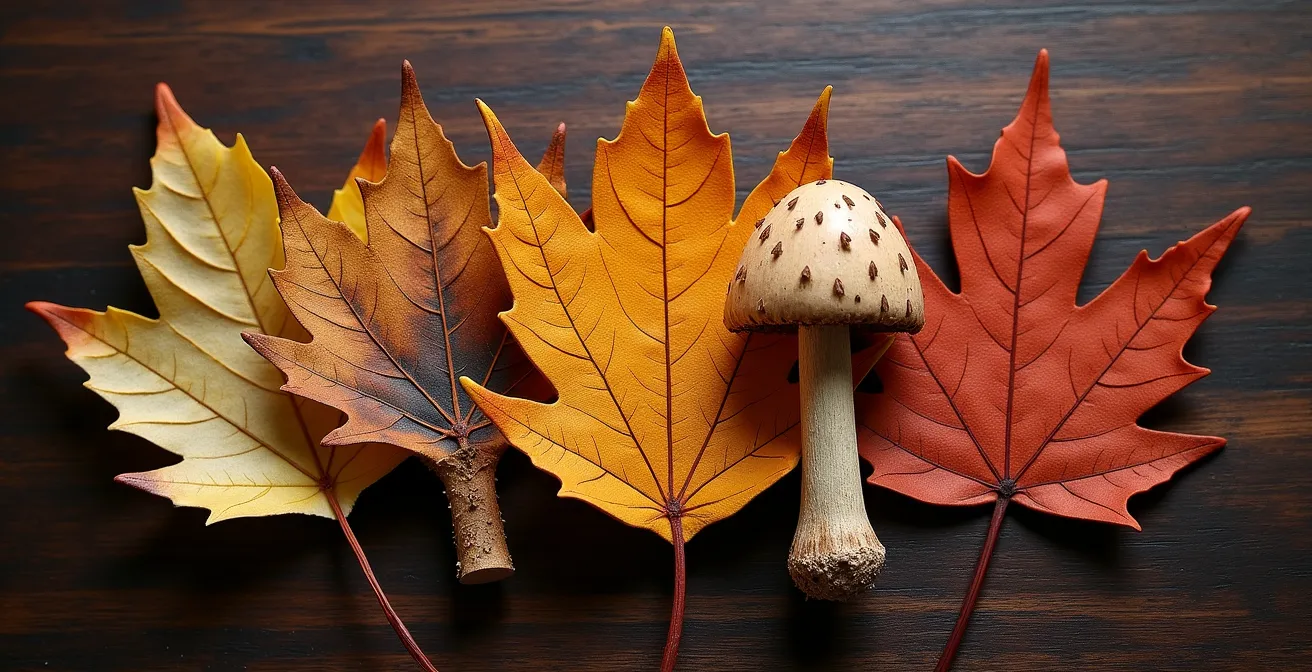
This doesn’t mean plant-based leathers don’t age; they simply age differently. Their wear pattern is more focused on maintaining their original state for as long as possible. Instead of a darkening patina, high-quality plant leathers are engineered for high scratch resistance and color fastness. They are designed to resist, rather than record, the scuffs and scrapes of daily life. This results in a more uniform and predictable aging process, which can be a significant advantage for those who prefer their accessories to look new for longer.
Real-World Aging of a Cactus Leather Bag
To understand how these materials wear in practice, consider the experience of a user who carried an Everlane Cactus Leather Hobo bag daily for a full year. In their review, they noted that despite constant use, “the cactus leather shows no severe battle scars.” The material effectively resisted most scuffs and scratches both inside and out, demonstrating its engineered resilience rather than developing a traditional, evolving patina. Its appearance remained remarkably consistent over the 12-month period.
How Long Can You Expect Apple Leather Bags to Last?
Determining the precise lifespan of a material like apple leather requires looking at its composition. Apple leather is a composite made from the pomace and peels left over from the juice and jam industry. This pulp is dried and ground into a powder, then mixed with a binder—typically polyurethane (PU)—and coated onto a cotton/polyester canvas. Therefore, its durability is heavily influenced by the quality and proportion of the PU used. As a benchmark, standard PU-based vegan leather goods are generally expected to last between two and five years with regular use before showing signs of peeling or cracking due to hydrolysis.
However, premium apple leather, which uses a higher-quality PU and a greater percentage of apple waste, can exceed this baseline. While it may not match the multi-decade potential of thick, vegetable-tanned animal leather, it is designed to be a durable mid-range option, outlasting cheap, purely synthetic alternatives. The key to its value lies not just in its absolute lifespan, but in its cost-per-wear. This metric provides a more practical way to assess its worth compared to other options.
For example, a pair of apple leather shoes costing $200 that lasts for two years of daily wear (730 days) has a cost-per-wear of about $0.27. In comparison, a pair of traditional leather boots costing $350 that lasts for seven years (2,555 days) has a cost-per-wear of about $0.14. While the traditional leather is cheaper over its entire lifespan, the apple leather provides a lower upfront cost and a significantly better environmental profile in its production. This calculation helps contextualize durability. It’s not just about how long something lasts, but about the value it delivers during its functional life, factoring in initial cost, maintenance, and end-of-life impact.
Is Vegan Fine Dining Worth the Price Tag for Non-Vegans?
Just as vegan fine dining challenges carnivores to reconsider what constitutes a ‘complete’ or ‘luxurious’ meal, the emergence of high-end, bio-fabricated leathers is forcing the fashion industry to redefine performance and exclusivity. The question for the consumer is analogous: is the premium price of these innovative materials justified for someone not already committed to the vegan ideology? The answer, much like with a $300 plant-based tasting menu, lies in the perceived value of innovation, craftsmanship, and a superior sensory experience.
The high price point of materials like Mylo mushroom leather is not arbitrary. It reflects significant investment in research and development, a complex and novel manufacturing process, and a limited scale of production. These are not mass-market plastics; they are advanced materials engineered to compete with the highest grades of animal leather in softness, hand-feel, and performance. When a luxury brand adopts such a material, it is making a statement about the future of craftsmanship.
This move into the luxury space is a powerful indicator of the material’s viability and durability. High-fashion houses have exacting standards for the materials they use, and their adoption serves as a testament to the quality achieved by these bio-fabricators. It signals that these materials have moved beyond a niche ecological category and are now being judged—and accepted—on their own merits as premium textiles.
In 2022, Stella McCartney released the Frayme Mylo handbag, the first commercially available luxury bag crafted entirely from Mylo mushroom leather, with production limited to just 200 numbered pieces.
– Wikipedia Contributors
For the non-vegan consumer, the “worth” is therefore a calculation. It’s the value of owning a piece of cutting-edge material science, supporting a more sustainable production model, and enjoying a product that has met the rigorous quality control of the luxury market. The price tag reflects not just the absence of animal products, but the presence of advanced technology and forward-thinking design.
Sustainable Fashion on a Budget: How to Quit Fast Fashion?
Quitting fast fashion often seems like an expensive proposition, reserved for those who can afford high-end, ethically-made garments. However, the most effective strategy for making fashion more sustainable is also the most budget-friendly: prioritizing durability. Buying fewer, better things that last longer drastically reduces both waste and long-term cost. In this context, the new generation of plant-based leathers presents a compelling option, bridging the gap between affordability and longevity.
The core principle is to shift focus from initial price to cost-per-wear. A $50 pair of PU shoes that falls apart after one season is far more expensive in the long run than a $200 pair of quality plant-leather shoes that lasts for several years. The critical question for a budget-conscious consumer is whether these materials can deliver on the promise of longevity. While they may not match the 20+ year lifespan of heirloom-quality animal leather, they are engineered to significantly outperform their purely synthetic counterparts.
Claims from leading manufacturers provide a strong benchmark for this. The best-in-class materials are not positioned as disposable alternatives but as durable goods designed for a long functional life. This is a crucial part of their value proposition in the fight against a throwaway culture.
High-quality animal leather lasts decades, but cactus leather holds its own. Desserto says their products last about 10 years – substantially longer than most synthetic options.
– LeeLine Bags, What is Cactus Leather? 10-Year Eco Leather
For someone on a budget, this means a strategic shift in purchasing. It involves saving for a key item, like a pair of daily-wear shoes, made from a demonstrably durable material like high-grade cactus leather, rather than making multiple impulse purchases of low-quality goods. This approach not only aligns with sustainability goals but also proves to be more economical over time. Other powerful budget strategies include repairing existing items and exploring the secondhand market for quality leather goods, which extends a product’s life even further.
Key takeaways
- The term “vegan leather” is not a monolith; it ranges from 100% petroleum-based PU to highly advanced, biodegradable bio-fabrics like mycelium.
- Durability is not inherent but is a function of the material’s specific composition (fiber substrate + polymer binder) and climate-appropriate maintenance.
- High-performance plant leathers like Desserto cactus leather can have a lifespan of up to 10 years, significantly outperforming cheap synthetics and offering a viable alternative to animal hide.
Sustainable Fashion on a Budget: How to Quit Fast Fashion?
Beyond the financial argument for durability, the choice to abandon fast fashion is deeply rooted in environmental ethics. A key component of this decision involves selecting materials that have a measurably lower impact on the planet. While repairing items or buying secondhand remains the most sustainable choice, when purchasing new, the data behind a material’s lifecycle becomes paramount. This is where advanced plant-based leathers demonstrate their most significant advantage over both traditional leather and cheap synthetics.
The environmental cost of fashion is measured in metrics like water usage, CO2 emissions, and eutrophication (the pollution of ecosystems with excess nutrients, often from agricultural runoff or chemical treatments). Animal leather production, with its resource-intensive cattle farming and chemical-heavy tanning processes, consistently scores poorly in these areas. Standard PU, while avoiding some of these issues, brings its own baggage as a fossil-fuel product that creates microplastic pollution.
Choosing a durable, high-quality plant-based leather offers a scientifically-backed path to reducing one’s environmental footprint. These materials are not just “less bad”; they are actively engineered for a lower impact from creation to disposal. The data from lifecycle assessments (LCAs) provides clear evidence of this, allowing consumers to make choices based on facts, not just marketing.
The Environmental Impact of Choosing Desserto Cactus Leather
An early lifecycle assessment conducted on Desserto cactus leather, highlighted by the Ellen MacArthur Foundation, revealed stark environmental benefits. The analysis showed that Desserto’s material has a 500% lower eutrophication impact compared to animal leather. Furthermore, it also outperformed its synthetic rival, showing a 10% lower impact than polyurethane. These figures demonstrate that choosing a high-performance plant leather is not a lateral move but a significant step toward a more sustainable material economy.
For the consumer, this means that every dollar spent on a well-researched, durable plant-based product is a vote for an industrial system with a lighter touch. It transforms a simple purchase into a deliberate act of environmental stewardship, proving that sustainable choices do not require a compromise on performance or longevity when guided by material science.
By shifting from a mindset of consumption to one of investment—in durability, in material science, and in a healthier planet—it is entirely possible to quit fast fashion. The key is to arm yourself with knowledge and choose materials not for the label they carry, but for the performance and principles they embody.