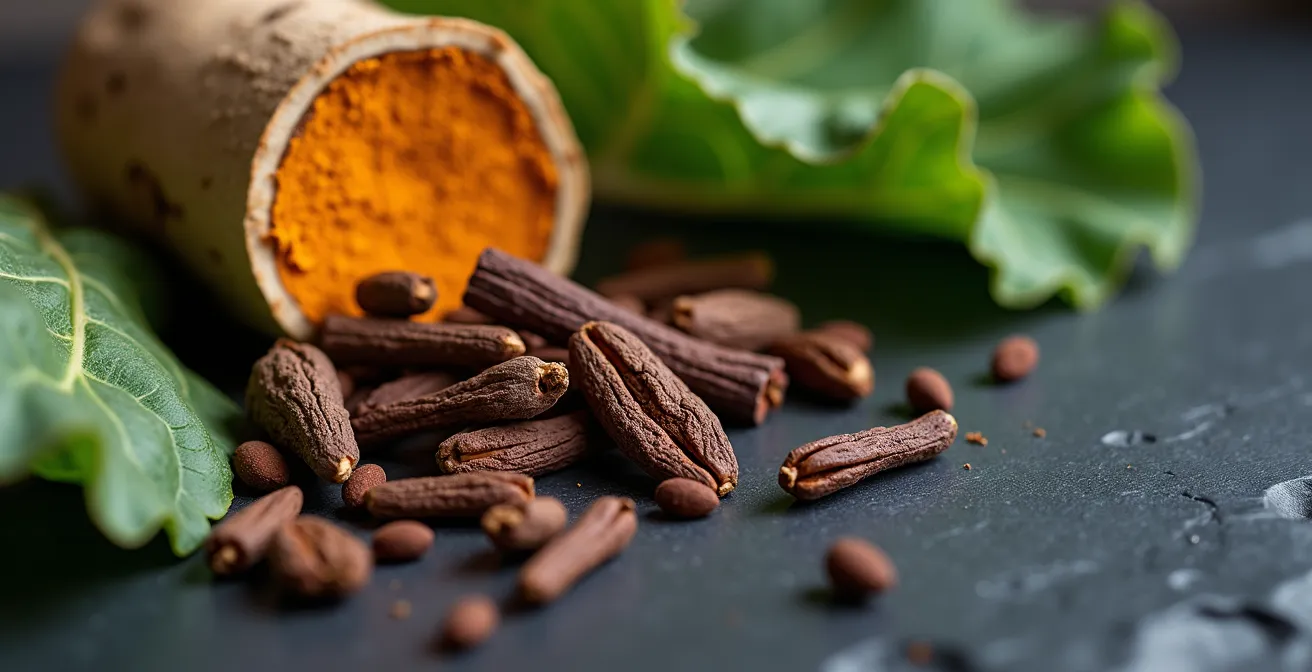
Achieving truly radiant skin isn’t about eating more berries; it’s about harnessing the superior phytochemical power of unconventional antioxidants.
- Potent sources like raw cacao and specific spices offer a higher concentration of protective compounds than many common fruits.
- How you combine foods (e.g., with healthy fats and fiber) is more critical for bioavailability than consuming single “superfoods.”
Recommendation: Shift your focus from generic advice to creating a synergistic diet that builds cellular resilience against modern stressors like UV rays and pollution.
In the quest for a luminous complexion, we’re often told to “eat the rainbow” and load up on berries. This advice, while well-intentioned, only scratches the surface of what’s possible for our skin. The beauty-conscious reader already knows that blueberries and strawberries are good for them. But the conversation rarely moves beyond these usual suspects, leaving a treasure trove of more potent, skin-protective foods unexplored. This oversight means we miss the opportunity to build profound, lasting skin health from within.
The real challenge isn’t just fighting aging; it’s combating the daily environmental assault that accelerates it. This is what we call the total oxidative load—a constant barrage of free radicals from sources like UV radiation, pollution, and even internal stress. Relying on a handful of common fruits is like bringing a simple umbrella to a hurricane. To truly fortify our skin, we need to upgrade our nutritional arsenal.
But what if the secret to a resilient, radiant glow wasn’t found in the fruit aisle, but in a “shadow cabinet” of overlooked powerhouses? This guide moves beyond the basics to reveal the science-backed benefits of unconventional antioxidant sources. We will explore how potent foods like raw cacao, specific spices, and dark leafy greens can be strategically incorporated into your diet. The key is not just *what* you eat, but understanding the bioactive synergy—how to combine and prepare these foods to maximize their protective power and give your skin the deep, cellular defense it truly needs.
This article will guide you through the science of skin protection and provide actionable strategies to elevate your diet. From understanding the ORAC scale to learning how to buffer the effects of sugar, you’ll gain the knowledge to build a truly effective, beauty-focused nutritional plan.
Summary: The Path to a Radiant Complexion Through Nutrition
- Why UV Rays Cause Free Radical Damage and How Food Helps?
- How to Eat Raw Cacao for Antioxidants Without the Sugar Crash?
- ORAC Scale Explained: Which Spices Top the List?
- The Risk of High-Dose Antioxidant Supplements for Smokers
- How Fast Do Cut Fruits Lose Their Antioxidant Potency?
- DIY vs. Store-Bought: Which Antioxidant Superfood Blends Actually Work?
- How Environmental Pollutants Cause Oxidative Stress and What to Eat to Fight It
- How to Incorporate More Dark Leafy Greens into Breakfast Without Ruining the Taste?
Why UV rays cause free radical damage and how food helps?
The sun-kissed glow we often seek comes with a hidden cost: oxidative stress. When ultraviolet (UV) rays penetrate the skin, they trigger the formation of highly unstable molecules called free radicals. Think of these as tiny, chaotic agents that steal electrons from healthy cells, including the essential proteins that keep our skin firm and youthful, like collagen and elastin. This process, known as oxidation, creates a chain reaction of cellular damage, leading to inflammation, hyperpigmentation, fine lines, and a compromised skin barrier. It is the primary mechanism behind what we call photoaging.
While sunscreens are a critical external shield, our diet forms the internal defense system. Antioxidant-rich foods provide compounds that can neutralize these free radicals before they wreak havoc. They generously donate an electron, stabilizing the free radical and halting the destructive cycle. This is where the concept of building cellular resilience becomes paramount. It’s not just about repair; it’s about fortifying your cells to better withstand the daily oxidative load from environmental aggressors.
The power of this internal defense is magnified through synergy. Rather than relying on a single antioxidant, a combination of different compounds works more effectively to protect the skin. As a summary of a case study on combined antioxidant supplementation against UV damage demonstrates, oral administration of nutrients like β-carotene, lycopene, and vitamin E can reduce UV-induced redness and cellular damage. This highlights that a varied diet, rich in a spectrum of phytochemicals, creates a more robust and comprehensive shield than any single food can offer alone.
How to eat raw cacao for antioxidants without the sugar crash?
When you think of chocolate, “skin food” might not be the first thing that comes to mind. However, raw cacao—the unprocessed bean from which chocolate is made—is one of the most potent antioxidant sources on the planet, far surpassing berries. It is packed with flavonoids and polyphenols that help fight oxidative stress, improve blood flow to the skin, and enhance hydration and elasticity. In fact, a 12-week cacao supplementation clinical trial in 2024 showed it could increase skin moisture by over 4% and reduce the appearance of wrinkles by nearly 10%.
The crucial distinction lies between raw cacao and processed chocolate. Commercial chocolate is often loaded with sugar and dairy, which can trigger inflammation and negate the antioxidant benefits. The sugar spike leads to a process called glycation, where sugar molecules attach to collagen and elastin, making them brittle and leading to premature aging. The key is to get the phytochemical power of cacao without the associated insulin spike.
The secret to unlocking cacao’s benefits is bioactive synergy: pairing it with healthy fats and fiber. These components slow down the absorption of any naturally occurring sugars and buffer the body’s glycemic response. This ensures you get a steady supply of energy and skin-protective nutrients without the inflammatory crash. For instance, blending cacao powder with avocado in a smoothie not only creates a creamy, decadent texture but also provides healthy monounsaturated fats that stabilize blood sugar.
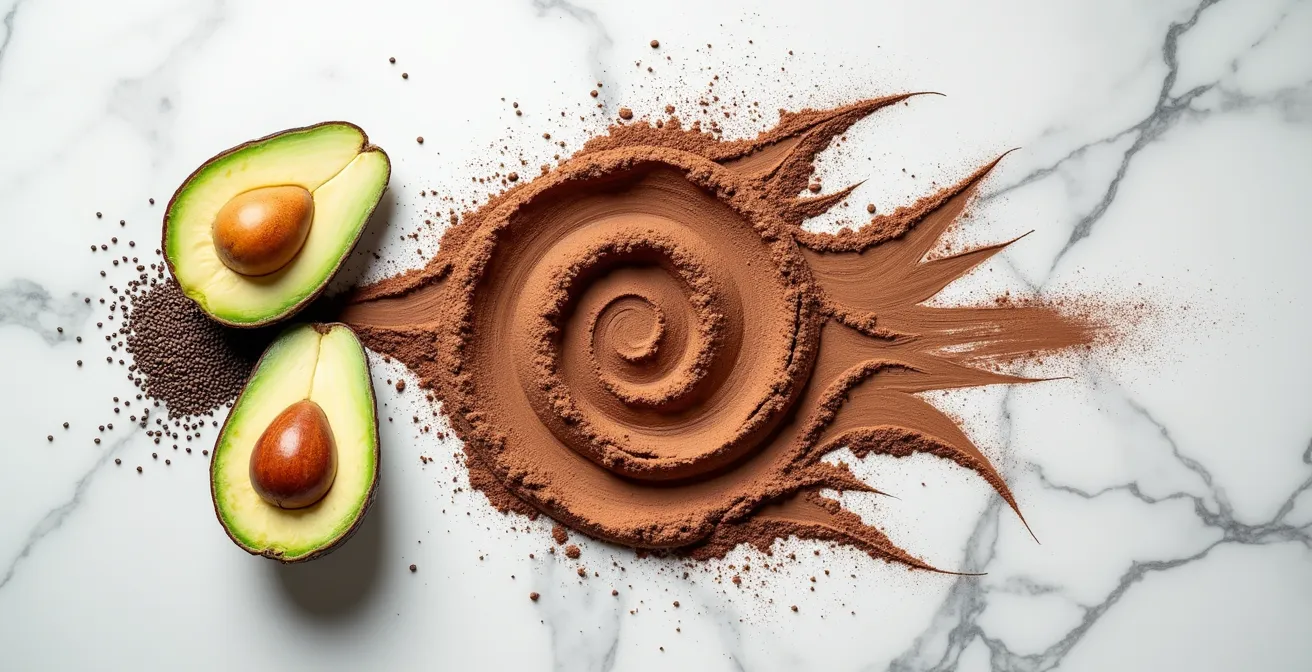
As the image above illustrates, the right combinations are both delicious and strategic. Sprinkling raw cacao nibs over oatmeal with a dollop of almond butter provides a trifecta of antioxidants, fiber, and healthy fats. This approach transforms cacao from a simple treat into a functional, beauty-boosting ingredient. By focusing on these intelligent pairings, you can indulge your chocolate cravings while actively nourishing your skin for a radiant, youthful glow.
Action plan: Smart ways to consume raw cacao
- Sprinkle raw cacao nibs over oats with almond butter for a fiber and healthy fat combination.
- Blend cacao powder into smoothies with avocado for a creamy texture and insulin buffering.
- Mix cacao with chia seeds to create a pudding that slows glucose absorption.
- Combine raw cacao with coconut oil and nuts for an energy-stable treat.
- Add cacao to Greek yogurt with berries for a protein-balanced antioxidant boost.
ORAC scale explained: Which spices top the list?
Not all antioxidants are created equal in their potency. The Oxygen Radical Absorbance Capacity (ORAC) scale is a laboratory measure of a food’s total antioxidant power. While it’s not a perfect real-world guide, it provides a fascinating glimpse into which foods pack the most protective punch per gram. When we look at the ORAC charts, an interesting pattern emerges: the top performers are not large fruits, but humble, concentrated spices.
Spices like clove, turmeric, cinnamon, and oregano have ORAC scores that are exponentially higher than even the most celebrated berries. A single teaspoon of ground cloves, for example, can have a higher antioxidant capacity than a half-cup of blueberries. This is because spices are highly concentrated sources of powerful phytochemicals. Their intense flavors and aromas are direct indicators of these potent compounds, which evolved to protect the plant from environmental stressors—the very same protection they can offer our skin.
The administration of antioxidants in smaller doses, but in combination, has been asserting as the safest alternative for its use.
– PMC Research Team, Antioxidants in dermatology – PMC
This principle of “small dose, big impact” makes spices a highly efficient way to boost your diet’s antioxidant profile. You don’t need to consume large quantities. Simply incorporating a variety of spices into your daily cooking—a dash of cinnamon in your morning coffee, turmeric in your soups, or oregano in your salad dressing—contributes significantly to your body’s defense against oxidative stress. This approach aligns perfectly with the strategy of using combined antioxidants in smaller, safer doses to build comprehensive cellular resilience rather than overloading the system with a single source.
The risk of high-dose antioxidant supplements for smokers
In the pursuit of a quick fix, it’s tempting to turn to high-dose antioxidant supplements, believing that “more is better.” However, science presents a more complex and cautionary picture. The protective benefits of antioxidants are intricately linked to their source. Within a whole food, these compounds exist in a complex nutrient matrix, balanced with thousands of other phytochemicals, vitamins, and fibers that work in synergy. This natural balance is crucial for their safe and effective use by the body.
When an antioxidant is isolated and concentrated into a high-dose pill, this delicate synergy is lost. This can paradoxically turn a helpful compound into a harmful one. This risk is particularly pronounced for certain populations, most notably smokers. Multiple large-scale studies have found that high-dose beta-carotene supplements, once thought to be protective, actually increased the risk of lung cancer in smokers. The isolated nutrient, without its natural co-factors, appeared to act as a pro-oxidant in the already high-oxidative-stress environment of a smoker’s body.
This illustrates a critical principle of dermatological nutrition: the whole is greater than the sum of its parts. Research consistently shows that large quantities of isolated nutrients can be harmful, whereas the same nutrients consumed from whole food sources are protective. A carrot provides beta-carotene within a matrix of fiber and other carotenoids that ensure its safe absorption. An apple delivers quercetin alongside vitamin C and pectin. This is why a food-first approach is not just a preference; it’s a fundamental strategy for safety and efficacy in building skin health and overall wellness.
How fast do cut fruits lose their antioxidant potency?
Have you ever noticed how a sliced apple quickly turns brown? That’s oxidation in action, the very same process that antioxidants are meant to fight in our bodies. When you cut or bruise a fruit, you break its cell walls, exposing its internal compounds to oxygen. Enzymes like polyphenol oxidase are released, which react with the fruit’s natural phenols and oxygen, causing browning and, more importantly, a rapid decline in its antioxidant content, particularly vitamin C.
The speed of this degradation varies depending on the fruit and storage conditions. Studies have shown that some delicate fruits can lose a significant portion of their vitamin C within hours of being cut. For example, cut kiwis, melons, and strawberries can lose up to 25% of their vitamin C content within the first six hours when exposed to air and light. The loss is accelerated by heat and light, which is why pre-cut fruit sold in clear plastic containers at room temperature is often nutritionally compromised.
To maximize the antioxidant benefits from your food, timing and preparation are key. The best practice is always to cut fruit right before you plan to eat it. If you must prep ahead, there are ways to slow down the oxidative process. Storing cut fruit in an airtight container in the refrigerator is the first step. You can also add a natural antioxidant to the fruit itself. A squeeze of lemon or lime juice is highly effective; its ascorbic acid (vitamin C) acts as a sacrificial antioxidant, oxidizing before the fruit’s own compounds do. This simple trick helps preserve both the color and the nutritional potency of your fruit, ensuring you get the full spectrum of skin-protective benefits you’re aiming for.
DIY vs. store-bought: Which antioxidant superfood blends actually work?
The wellness market is flooded with “superfood” powders and antioxidant blends promising a convenient shortcut to a radiant glow. These products can be a helpful addition, but their effectiveness varies wildly. The central question is whether you are paying for potent phytochemicals or expensive, ineffective fillers. A discerning eye is crucial when navigating the supplement aisle.
Many commercial blends are bulked up with less potent ingredients like fruit powders (which have lost much of their value in processing), cheap fibers, or even sweeteners that can contribute to inflammation. The order of ingredients on the label is your best guide; if a potent ingredient like spirulina or turmeric is listed after several generic fruit powders, you’re likely getting a very small, ineffective dose. Furthermore, look out for “proprietary blends” that don’t disclose the exact amount of each ingredient, as this often hides a low concentration of the most valuable components.
Creating your own DIY blend offers complete control over quality and potency. You can build a base of high-quality, organic ingredients tailored to your specific needs. For instance, a powerful skin-focused blend could combine organic raw cacao powder, maca powder (for hormonal balance), turmeric (with a pinch of black pepper for absorption), and moringa powder. By purchasing these ingredients individually, you ensure their purity and can create a mix that is far more concentrated and cost-effective than most pre-made options. This approach allows you to focus on the bioactive synergy between ingredients you know and trust.
How environmental pollutants cause oxidative stress and what to eat to fight it
While we often focus on UV rays, our skin is under constant siege from another invisible enemy: environmental pollution. Airborne pollutants, including particulate matter (soot, dust), ozone, and heavy metals from traffic and industrial emissions, can penetrate the skin’s outer layers or be inhaled, contributing significantly to the body’s total oxidative load. These particles generate free radicals, leading to a cascade of inflammatory responses, collagen degradation, and a weakened skin barrier. This can manifest as increased sensitivity, dullness, uneven tone, and accelerated aging.
The skin’s defense system can become overwhelmed by this constant onslaught. This is where a targeted nutritional strategy becomes a powerful tool for urban dwellers and anyone living in a high-pollution area. Certain foods are particularly effective at bolstering the body’s ability to neutralize these specific environmental toxins. Foods rich in sulforaphane, a potent antioxidant compound, are star players in this fight. This compound is found abundantly in cruciferous vegetables like broccoli sprouts, broccoli, and kale. Sulforaphane helps to activate the body’s own detoxification pathways, enhancing its ability to clear pollutants.
Additionally, foods rich in vitamin E and C work together to protect cell membranes from lipid peroxidation, a type of damage commonly caused by pollutants. Good sources of vitamin E include sunflower seeds, almonds, and avocados, while bell peppers, kiwis, and, of course, cruciferous vegetables provide ample vitamin C. By consciously incorporating these protective foods into your diet, you are not just eating for general health; you are building a personalized, internal shield against the specific environmental stressors of modern life, thereby preserving your skin’s vitality and radiance.
Key takeaways
- The most potent antioxidants are often found in unconventional sources like spices and raw cacao, not just common berries.
- Synergy is key: combining antioxidants with healthy fats and fibers enhances their absorption and effectiveness.
- Whole foods are superior to isolated high-dose supplements, which can carry risks for certain individuals.
How to incorporate more dark leafy greens into breakfast without ruining the taste?
Dark leafy greens like spinach and kale are nutritional powerhouses, loaded with skin-protective antioxidants like lutein and zeaxanthin, as well as vitamins A, C, and K. However, the idea of adding them to breakfast can be unappealing for many, who fear a bitter, “grassy” taste. The secret to seamlessly integrating these greens is to pair them with ingredients that balance or mask their earthier notes, ensuring a delicious and nutrient-dense start to your day.
One of the most effective methods is the smoothie. The key is to use greens with a milder flavor profile, like baby spinach. A large handful of spinach has a taste that is easily masked by other ingredients. Combine it with a naturally sweet and creamy base, such as a frozen banana or a half-cup of mango. Adding a source of healthy fat, like a tablespoon of almond butter or a quarter of an avocado, further enhances the smooth texture and helps mute any residual green flavor. The result is a vibrant, nutrient-packed smoothie that tastes like a fruity treat, not a salad.
For those who prefer a savory start, finely chopping greens and wilting them into scrambled eggs or an omelet is an excellent option. Sauté a handful of chopped kale or Swiss chard with a little garlic before adding your eggs. The heat softens the greens and mellows their flavor, while the richness of the eggs provides a perfect savory balance. This method not only boosts your antioxidant intake but also adds fiber and volume to your meal, keeping you fuller for longer. By using these simple flavor-balancing techniques, you can effortlessly make dark leafy greens a regular, and enjoyable, part of your morning routine.
Building a diet for radiant skin is a journey of discovery that goes far beyond the produce aisle’s most obvious choices. By embracing the phytochemical power of unconventional sources and understanding the principles of bioactive synergy, you can provide your skin with a superior level of protection. To put these concepts into practice, start by evaluating your current diet and identifying one small, manageable change you can make today.